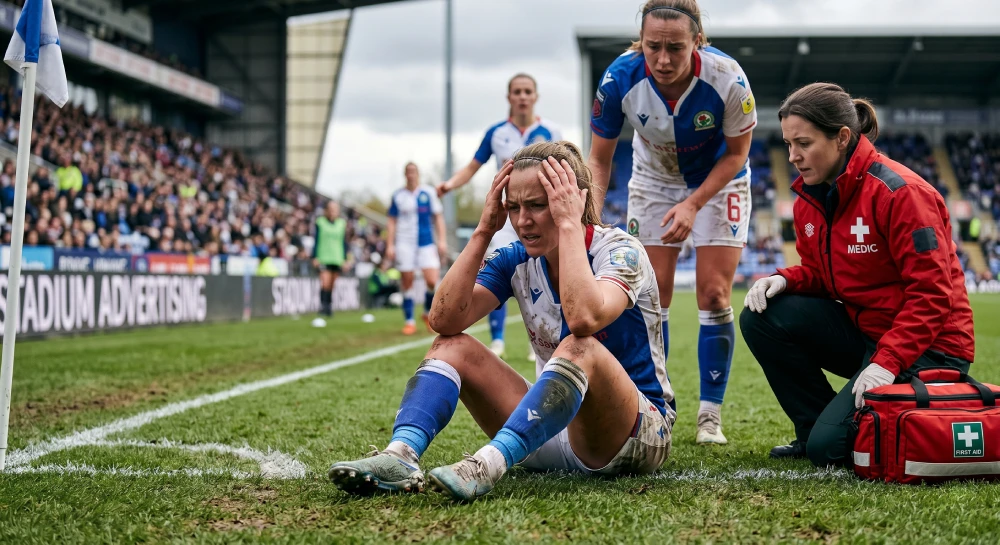
Out on the turf at Tim Hortons Field, inside a packed arena during overtime, or jolted still after a crash on the Linc - each scenario can lead to a concussion, a real brain trauma needing proper recovery.
Gone are the days when people simply waited it out alone in dim light. Today, science supports structured recovery through controlled movement and tailored rehabilitation programs.
Start strong with clarity. The team at Sterling Physiotherapy in Hamilton understands how to properly identify and manage concussions using globally recognized recovery protocols.
Understanding Concussions
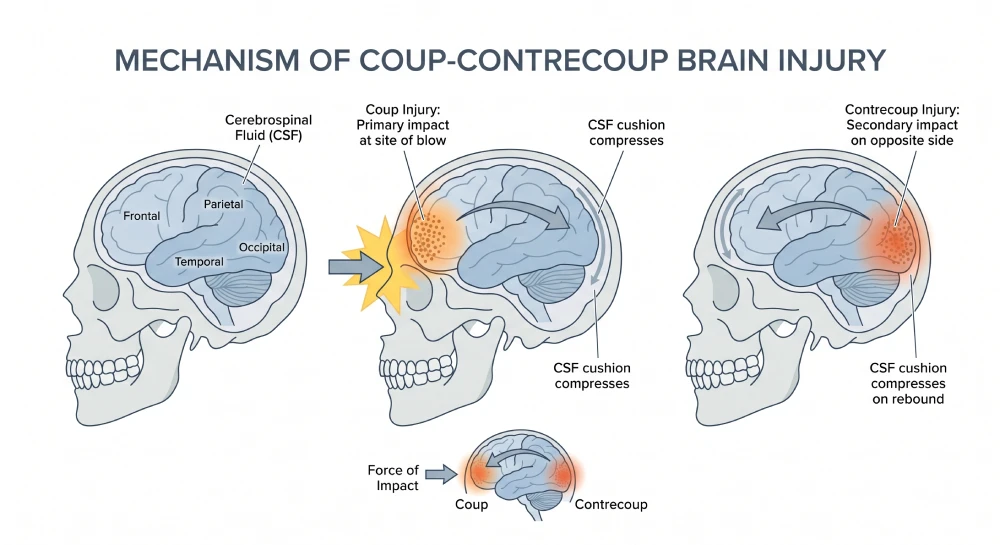
A concussion occurs when the brain moves rapidly inside the skull, even without a direct hit. This sudden motion triggers chemical changes that disrupt normal brain function. Standard imaging tests like CT scans or MRIs often fail to detect this type of injury.
Common symptoms include headaches, brain fog, dizziness, sensitivity to light or noise, blurred vision, and difficulty concentrating. Mood swings and sleep disturbances are also frequent. Symptoms may not appear immediately and can develop hours or even a day later.
How Physiotherapy Supports Recovery
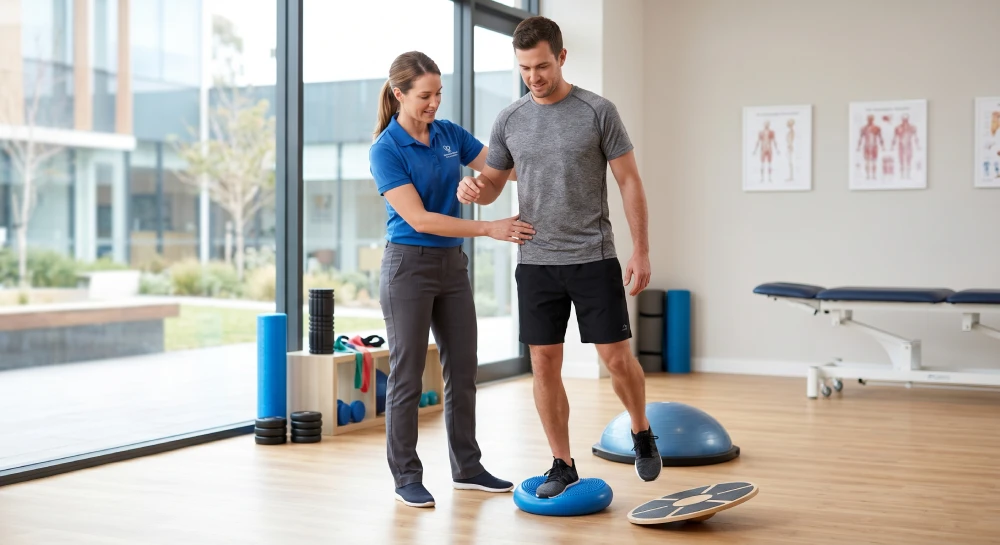
Modern concussion care emphasizes light aerobic activity below symptom threshold instead of prolonged rest. Physiotherapists play a key role in guiding this recovery process safely.
In many cases, concussion-like symptoms are linked to neck (cervical spine) injuries caused by sudden head movements. These issues are often mistaken for brain-related problems. Treating the neck can significantly reduce symptoms such as headaches and dizziness.
Balance and vestibular rehabilitation is another crucial part of recovery. Guided exercises help restore stability, reduce dizziness, and improve coordination. Over time, the body adapts and regains control without triggering symptoms.
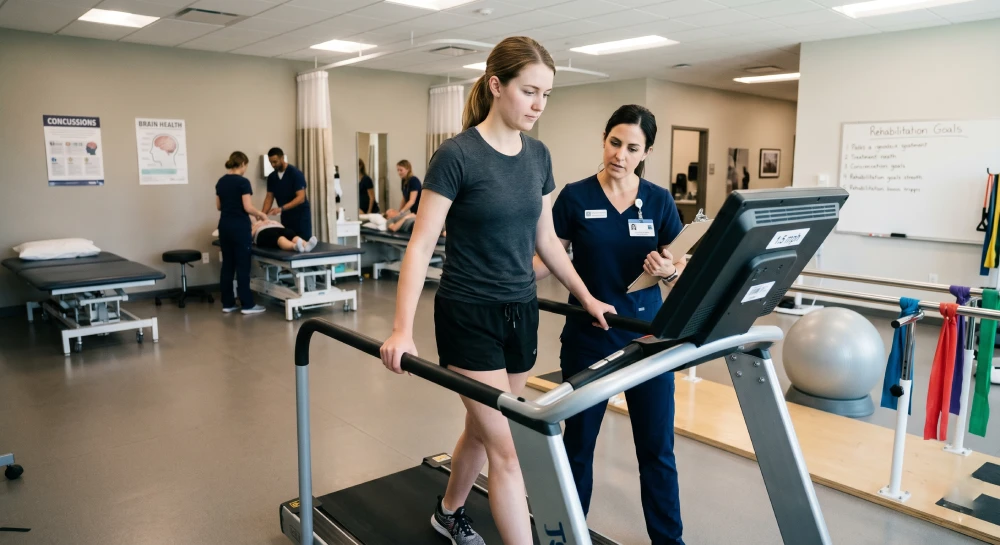
One important assessment tool used is the Buffalo Concussion Treadmill Test, which helps determine safe exercise limits. Recovery plans are then built around individual tolerance levels, ensuring progress without setbacks.
Learn more about physiotherapy treatment services in Hamilton that support injury recovery.
Gradual Return to Sport: The 6-Stage Plan
Returning to sports after a concussion requires a structured approach. The following six-stage protocol, recommended across Ontario, ensures safe progression.
| Stage |
Activity |
Goal |
Minimum Time |
| 1 |
Symptom-limited daily activity |
Gradual reintroduction |
Until symptom-free |
| 2 |
Light aerobic exercise (walking, swimming) |
Increase heart rate |
1 day |
| 3 |
Sport-specific exercise |
Add movement |
1 day |
| 4 |
Non-contact drills |
Coordination and cognition |
1 day |
| 5 |
Full-contact practice (with medical clearance) |
Restore confidence |
1 day |
| 6 |
Return to competition |
Full recovery |
- |
If symptoms return at any stage, step back to the previous level and rest for at least 24 hours before progressing again.
Explore sports injury physiotherapy programs for guided return-to-play strategies.
Post-Concussion Syndrome
While many recover within a couple of weeks, some individuals continue to experience symptoms beyond this period. This condition is known as post-concussion syndrome.
Persistent headaches, dizziness, and cognitive challenges can last for weeks or longer. Physiotherapy treatment that combines neck rehabilitation, balance training, and controlled exercise often provides effective relief.
If symptoms persist, consider a detailed assessment through booking a physiotherapy consultation.
The earliest signs of a concussion often include headache, dizziness, confusion and sensitivity to light or noise. Some people also experience nausea, blurred vision, or difficulty concentrating. Symptoms may appear immediately or develop hours after the injury.
Many mild concussions improve over time with proper rest and gradual activity. However, guided physiotherapy helps speed up recovery, reduce symptoms, and prevent long-term complications, especially when symptoms persist.
Initial rest for 24–48 hours is recommended. After that, light physical and mental activity below symptom limits is encouraged. Complete inactivity for long periods is no longer advised.
The most effective recovery approach includes early controlled movement, proper hydration, quality sleep, and physiotherapy-guided exercises. Avoid pushing through symptoms, as it may delay healing.