 ★★★★★
( 5 Star Reviews)
★★★★★
( 5 Star Reviews)
Sterling Physiotherapy is a trusted clinic in Hamilton with 200+ real Google reviews for Physiotherapy, Vestibular, TMJ Dysfunction, Massage therapy and Custom orthotics.
Out on the fields and courts, kids keep busy. Hockey hums at Chedoke Twin Pad while soccer rolls at Bernie Morelli Rec. Over at Westdale Secondary, runners stretch strides through fall trails. Courts light up with jumps, passes, spikes - all over neighbourhood hubs along the Mountain. Motion like this brings bumps, strains, falls. Young bodies heal differently. Their recovery isn’t just smaller versions of adult plans.
Fast growth hits teen athletes hard. Bones aren’t finished yet - growth areas stay softer than nearby tissues like tendons or ligaments. A small twist that seems harmless in adults might crack a fragile zone in teens instead. Healing looks nothing like it does for grown-ups.
Most young players downplay their aches, pushing on even when sore, heading back too soon after injury - this gap is why working with skilled rehab experts matters so much. Teen bones have open growth plates that are more vulnerable to stress than adult bones, requiring specialized treatment protocols.
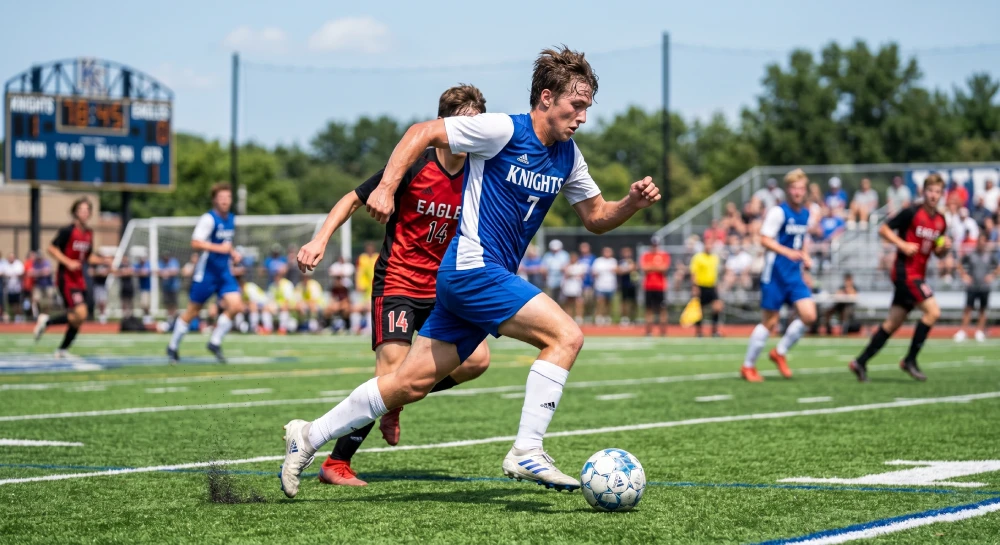
Below the kneecap, a sore bump often shows up during teenage years when movement picks up. This ache at the top of the shin bone tends to flare while sprinting, leaping, or dropping down on knees. Stretching tight thigh muscles helps, along with adjusting daily activity levels. Healing moves better when sports come back slowly, guided by how the body responds.
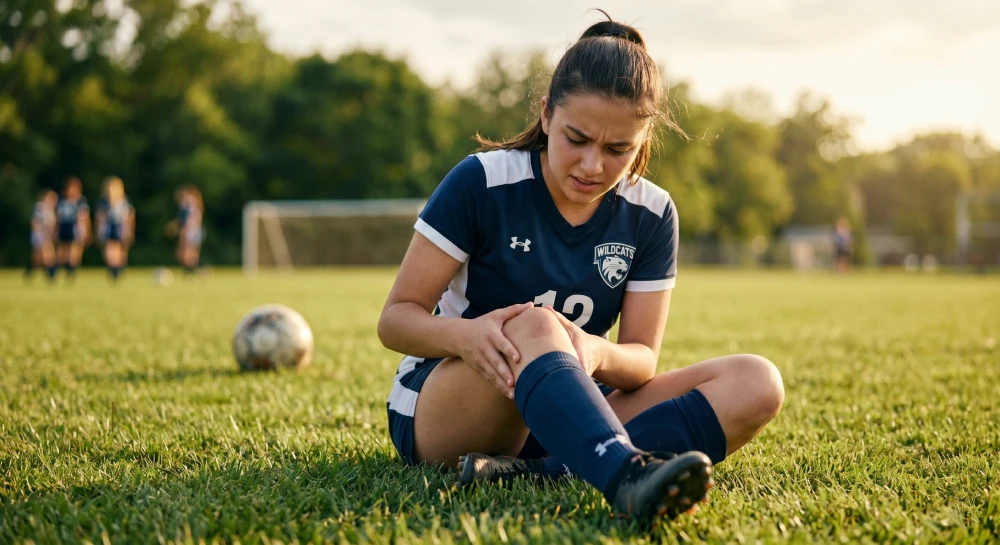
A sharp ache near the back of a young athlete's heel often points to strain where the Achilles meets growing bone. Instead of full-blown plantar issues, this targets kids whose bones haven't finished forming. Seen most in soccer or track youngsters between eight and fourteen years old. Movement fixes and custom shoe inserts tend to ease it fast. Healing usually follows consistent rehab steps.
These days more teenagers are tearing their ACLs, thanks to playing one sport all year long. Not surprisingly, physical therapy steps in - before injury strikes - with exercises that retrain movement patterns. After surgery? Healing takes most of a year, unfolding step by step. Progress shows up quietly, through consistent work guided by rehab experts.
Some young runners push too hard without eating enough food. Those especially include girls facing issues tied to low energy, periods, and weak bones. Their shins, outer lower legs, or foot bones might crack under pressure. Fixing problems early with movement therapy helps stop worse breaks later. Learning how bones stay strong makes a difference down the road.
Most young athletes who swim, play volleyball, or pitch baseball often feel shoulder discomfort due to repeated lifting motions. Because these actions strain the joint over time, physical therapy helps correct how the shoulder blade moves and restores balance in the small muscles around the shoulder.
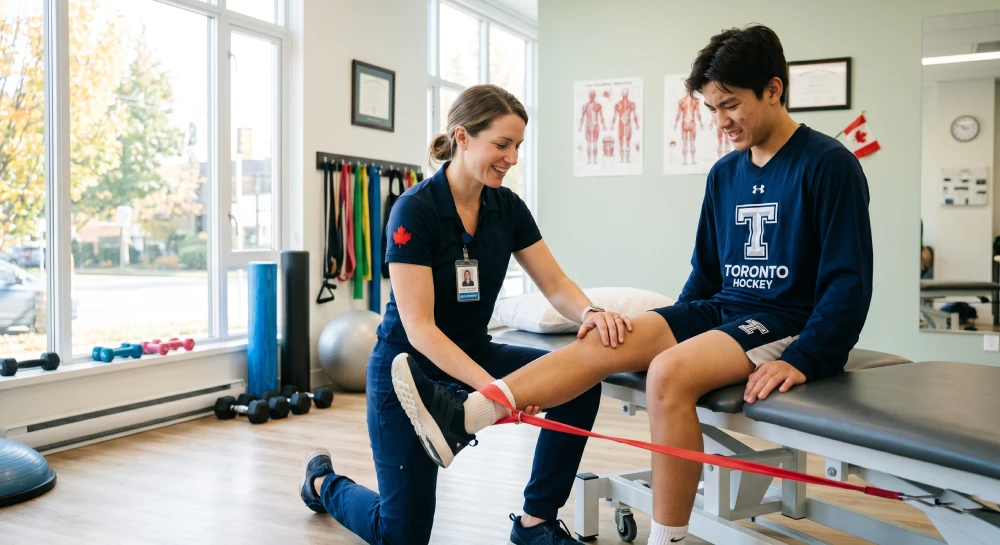
Seek a physiotherapy assessment for your child if you notice any of the following:
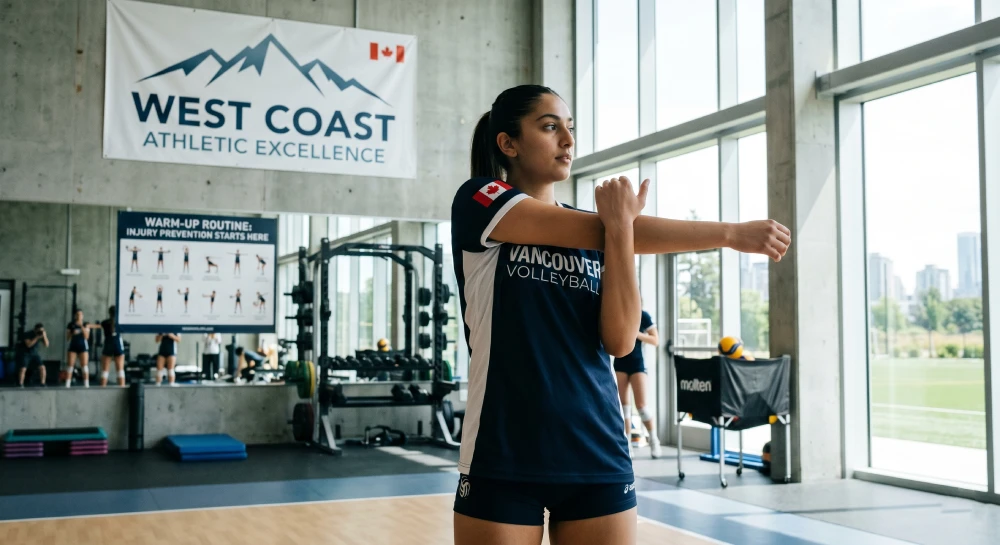
Don't let a sports injury derail your child's season or affect their growing body. Early intervention is the key to a safe and full recovery.
Growing pains usually happen at night and improve by morning without swelling or limping. A real sports injury often causes pain during activity, swelling, stiffness, weakness or difficulty walking. A physiotherapy assessment can help identify the exact cause.
You should see a physiotherapist if your child has pain lasting more than a few days, recurring pain during sports, swelling, limping, reduced movement, or difficulty participating in activities safely.
Yes. Physiotherapy helps young athletes recover safely by reducing pain, improving mobility, strengthening muscles, and preventing future injuries through personalized rehabilitation programs.
Common youth sports injuries include ankle sprains, knee pain, shin splints, ACL injuries, muscle strains, shoulder injuries, overuse injuries and sports-related back pain.