 ★★★★★
( 5 Star Reviews)
★★★★★
( 5 Star Reviews)
Sterling Physiotherapy is a trusted clinic in Hamilton with 200+ real Google reviews for Physiotherapy, Vestibular, TMJ Dysfunction, Massage therapy and Custom orthotics.
Down your leg, then up through the low back - a jolt like live wires sparking beneath skin. This is called sciatica. In Hamilton, many people deal with this kind of pain, yet few truly understand how it works.
Research continues to show that physiotherapy is more effective for sciatica relief compared to medication alone or no treatment at all.
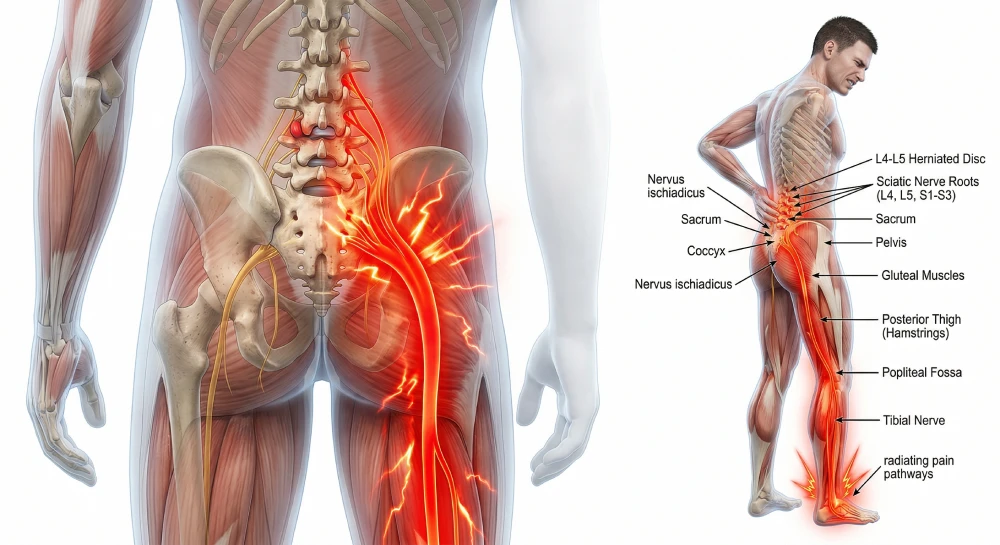
Sciatica is not a disease but a symptom of an underlying issue. It occurs when the sciatic nerve, which runs from the lower back through the hips and down each leg, becomes irritated or compressed.
Most people experience pain on one side of the body, which can range from a dull ache to sharp, burning sensations.
Over time, spinal changes can reduce space between vertebrae, causing stiffness, irritation, and nerve discomfort. These gradual changes affect mobility and can lead to persistent pain.
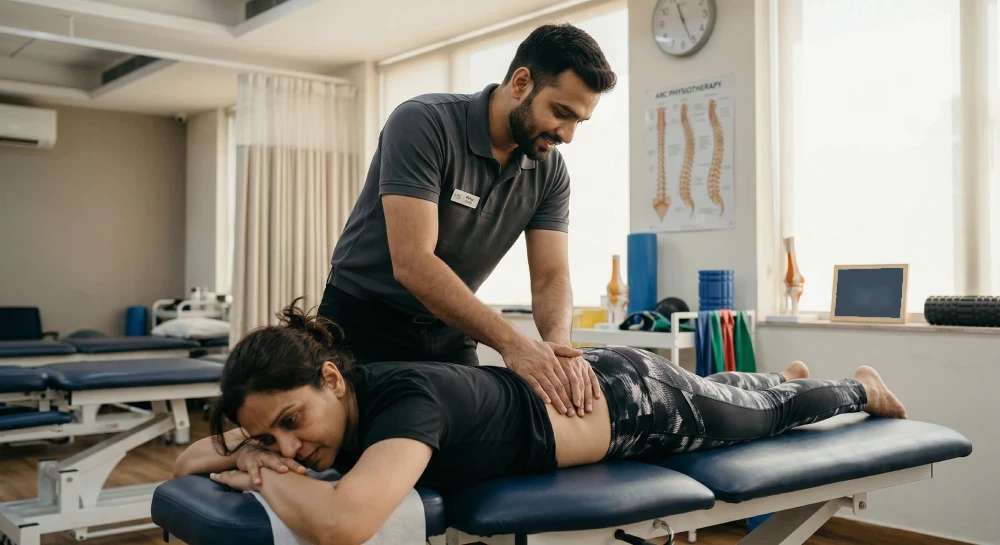
At Sterling Physiotherapy in Hamilton, treatment begins with understanding the root cause of your pain. Each recovery plan is tailored to the individual.
Hands-on techniques such as joint mobilisation and muscle release can reduce pressure on the sciatic nerve. These methods improve mobility in the lower back and pelvis, often providing early relief.

Strengthening exercises focus on the core, glutes, and spinal support muscles. These reduce strain on the lower back and improve stability.
Special techniques help the sciatic nerve glide more freely, reducing tightness and improving movement.
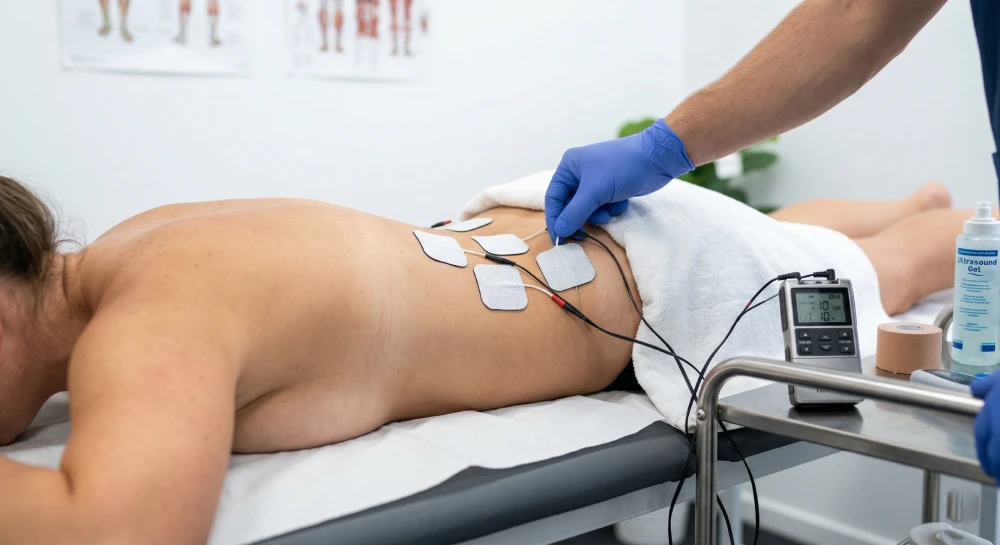
TENS (electrical stimulation) helps reduce nerve pain quickly, while ultrasound therapy targets deeper inflammation. These treatments support recovery alongside exercise therapy.
Improving posture and making ergonomic adjustments can significantly reduce strain on the spine. Small daily changes, such as proper sitting posture and regular movement breaks, can make a big difference.
Most people with acute sciatica begin to feel better within a few weeks of consistent physiotherapy. Chronic or recurring cases may take longer to heal.
Early treatment is important. Delaying care can lead to muscle weakness and prolonged nerve irritation.

Seek immediate medical attention if you experience loss of bladder or bowel control, as this may indicate a serious condition requiring urgent care.
Sciatica is nerve pain caused by irritation or compression of the sciatic nerve. It typically feels like sharp, burning, or shooting pain that travels from the lower back down through the leg, often affecting only one side of the body.
Sciatica is commonly caused by a herniated disc, spinal stenosis, or muscle compression such as piriformis syndrome. These conditions put pressure on the sciatic nerve, leading to pain and discomfort.
Physiotherapy helps reduce pressure on the sciatic nerve through targeted exercises, manual therapy, and posture correction. It also improves mobility, strengthens supporting muscles, and prevents future flare-ups.
Most people experience relief within a few weeks of consistent physiotherapy. However, recovery time depends on the severity of the condition and how early treatment begins.