 ★★★★★
( 5 Star Reviews)
★★★★★
( 5 Star Reviews)
Sterling Physiotherapy is a trusted clinic in Hamilton with 200+ real Google reviews for Physiotherapy, Vestibular, TMJ Dysfunction, Massage therapy and Custom orthotics.
Lower back pain is one of the most common problems people deal with, especially if they sit for long hours or lift heavy items at work. The good news is that a few simple exercises can help reduce stiffness, improve mobility and support your spine. These moves are gentle, safe and recommended by physiotherapists for most people.
Your lower back depends on support from your core, hips and glutes. When these areas are weak or tight, the lower back takes on extra stress. The exercises below help restore balance so your back can move the way it’s supposed to.
A great warm-up to loosen your spine.
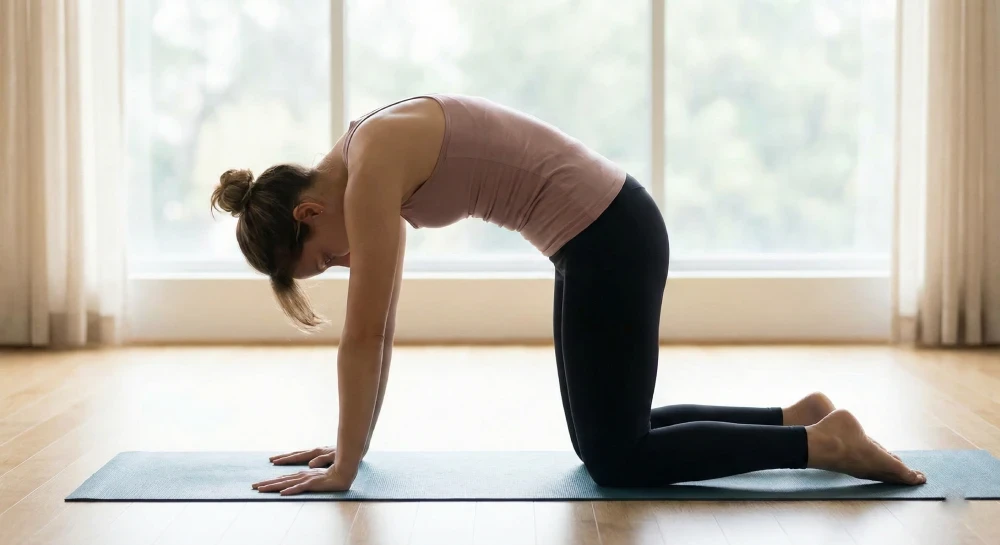
How to do it:
Benefits: Improves mobility and reduces stiffness.
A gentle stretch for the lower back and hips.
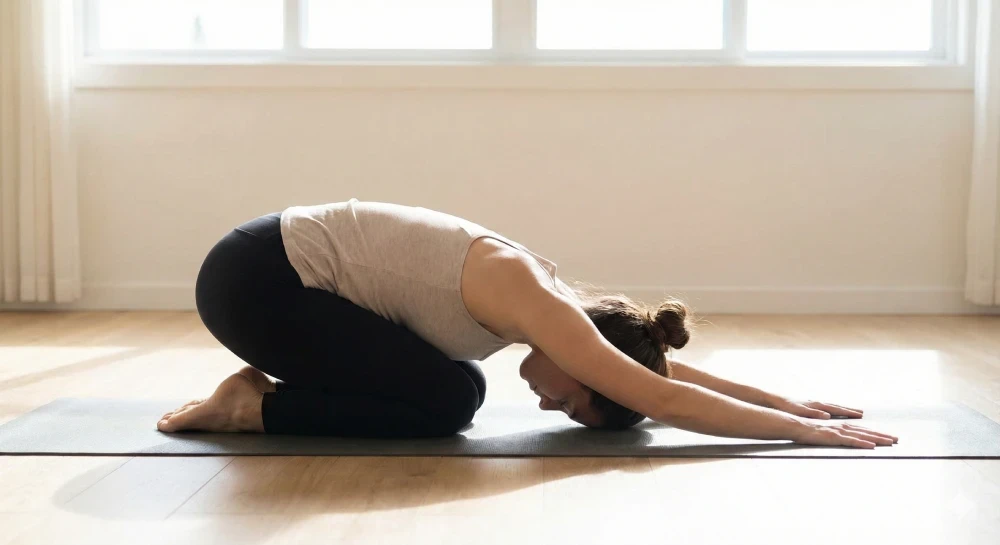
How to do it:
Benefits: Relieves tension and calms irritated muscles.
Strengthens your glutes and supports your lower back.
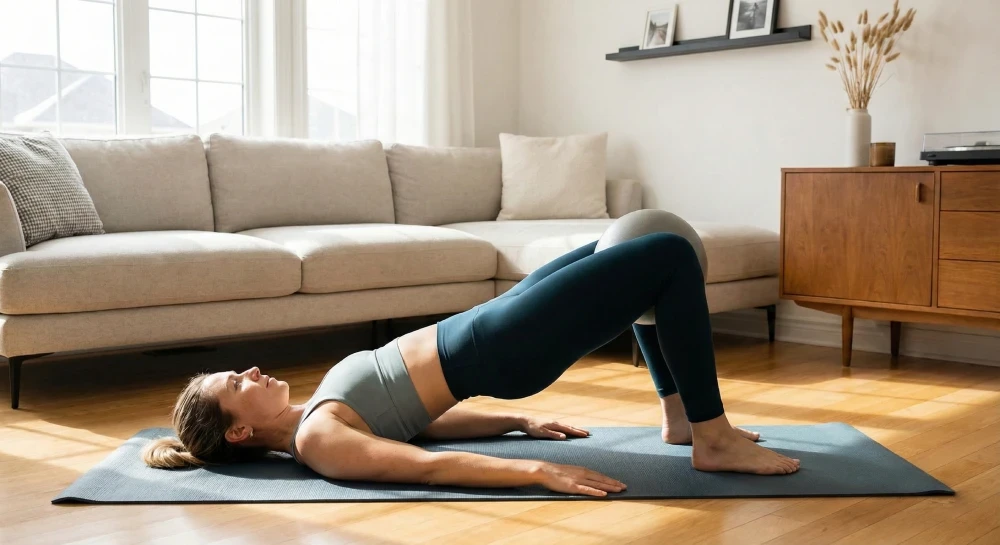
How to do it:
Benefits: Helps stabilize your pelvis and reduces pressure on the spine.
A simple way to ease tightness.
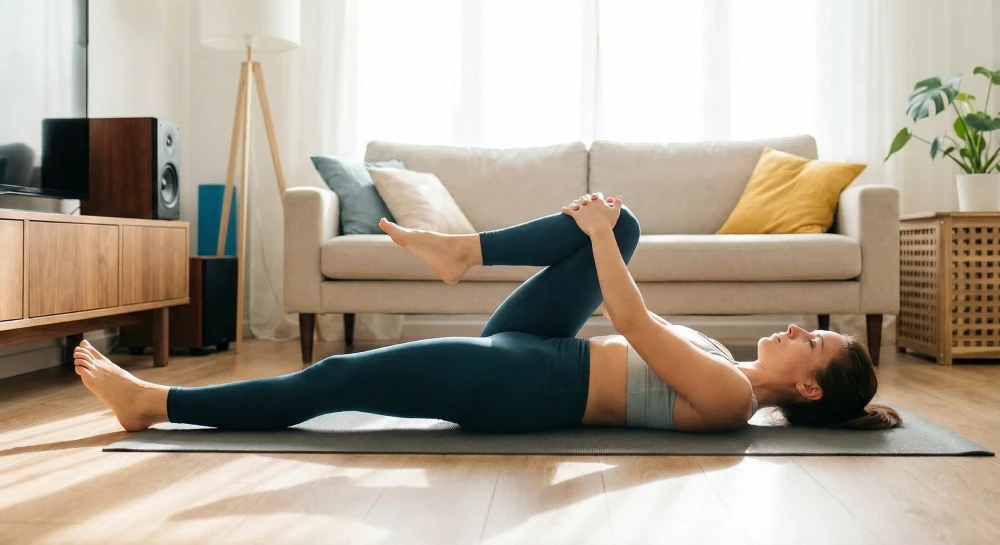
How to do it:
Benefits: Loosens the lower back and hips.
Great for core stability and balance.
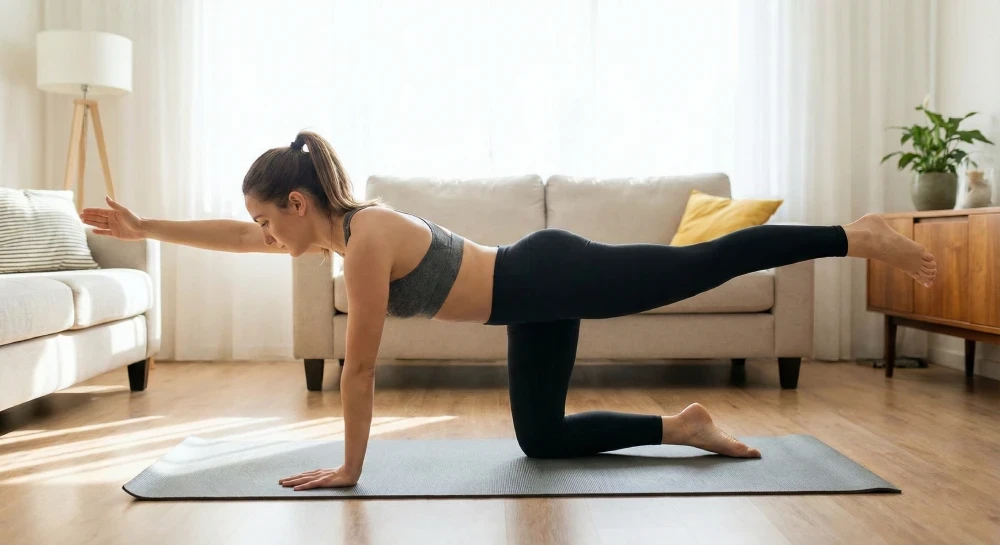
How to do it:
Benefits: Builds deep core strength that protects your spine.
If your pain lasts more than a few days, keeps returning or limits daily activities, a personalized assessment can help you recover faster. A physio can guide you with tailored exercises, hands-on treatment and posture correction.
Gentle stretches, core-strengthening exercises, and mobility movements are often most effective for lower back pain. Common examples include pelvic tilts, knee-to-chest stretches, bridges, and cat-cow movements. These help reduce stiffness and improve spinal support.
Yes, many lower back exercises can be safely done at home without equipment. However, it’s important to perform them with proper form. If pain worsens or does not improve, consulting a physiotherapist is recommended.
Most people benefit from doing lower back exercises 3 to 5 times per week. Consistency matters more than intensity. A physiotherapist can create a personalized plan based on your pain level and daily activities.
In most cases, guided exercises are safe and helpful for chronic lower back pain. The key is choosing the right exercises and avoiding movements that aggravate symptoms. Professional assessment ensures exercises match your condition.