 ★★★★★
( 5 Star Reviews)
★★★★★
( 5 Star Reviews)
Sterling Physiotherapy is a trusted clinic in Hamilton with 240+ real Google reviews for Physiotherapy, Vestibular, TMJ Dysfunction, Massage therapy and Custom orthotics.
Runners knee is a problem for people who are active. You will know you have runners knee because it hurts around or, behind the kneecap. This usually happens when you are running, climbing stairs or sitting still for a time. The good thing is that doing some exercises can help your knee feel better and stop the pain from coming back. Runners knee can be managed with these exercises.
Runner’s knee often happens when the muscles that control your hip and knee are not working together properly. Your hip and knee muscles must work as a team to keep your knee stable while running.
When your glutes are weak, your quads are tight, and your foot movement is not correct, your knee takes extra stress. Over time, this can lead to runner’s knee.
Doing strengthening and mobility exercises helps keep your knee in proper alignment while running. This reduces pain and lowers your risk of injury.
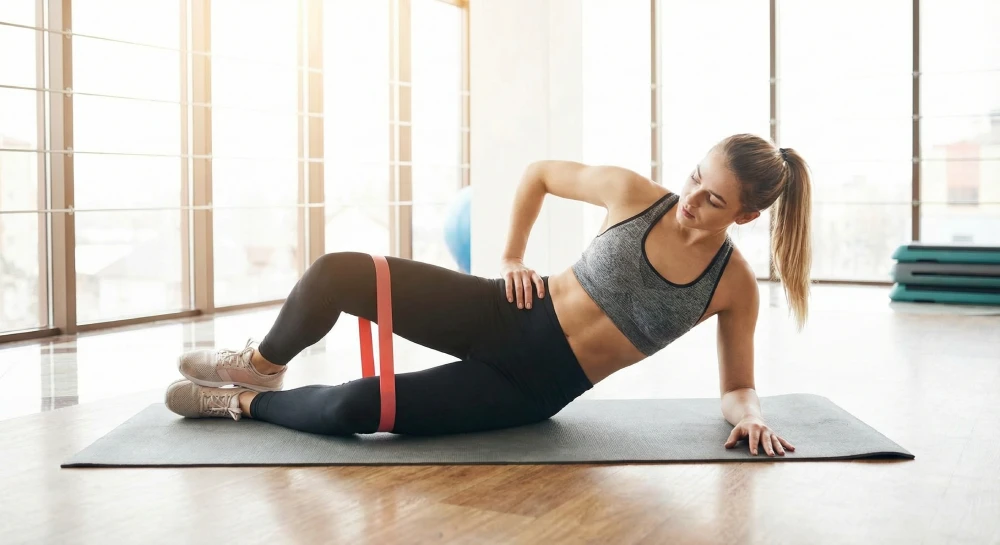
Your glutes play a big role in keeping your knee safe. Strengthening them improves knee stability and helps prevent inward knee collapse, which is a major cause of runner’s knee.
How to do it:
Benefits: Helps reduce inward knee collapse and improves knee stability.
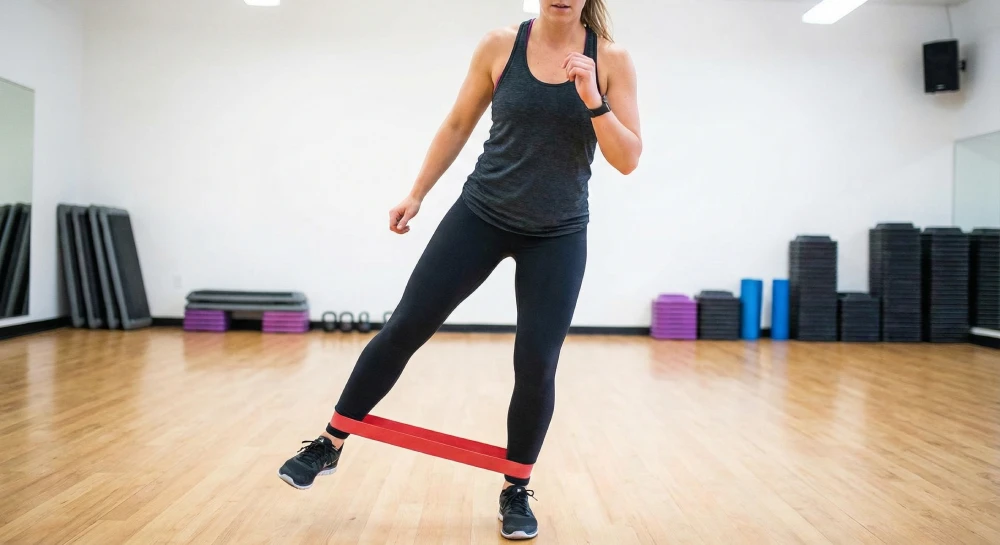
This exercise improves hip strength and stability, which helps control knee movement while running.
How to do it:
Benefits: Improves hip control and helps keep your legs aligned while running.
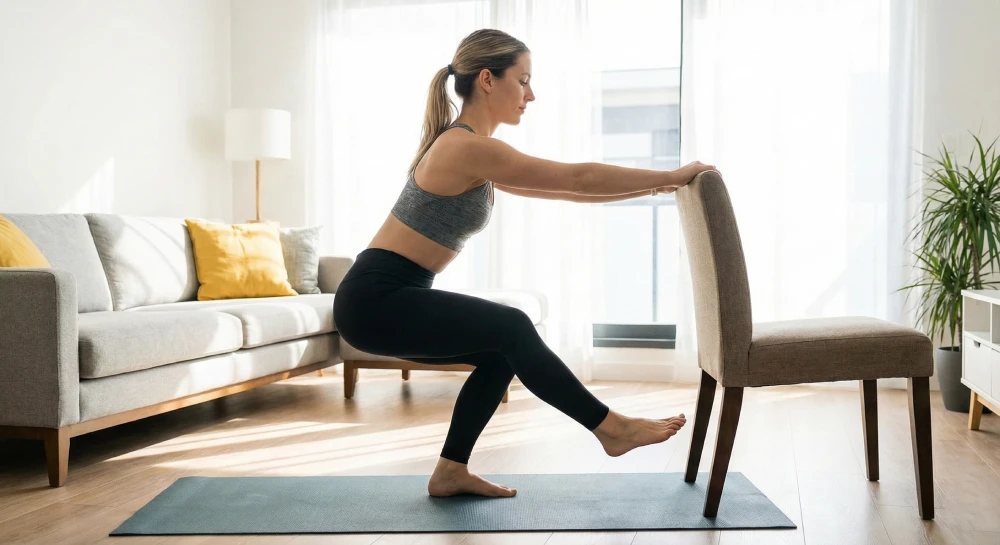
This exercise improves balance, control, and strength around the knee.
How to do it:
Benefits: Builds strength and control in the muscles around the knee.
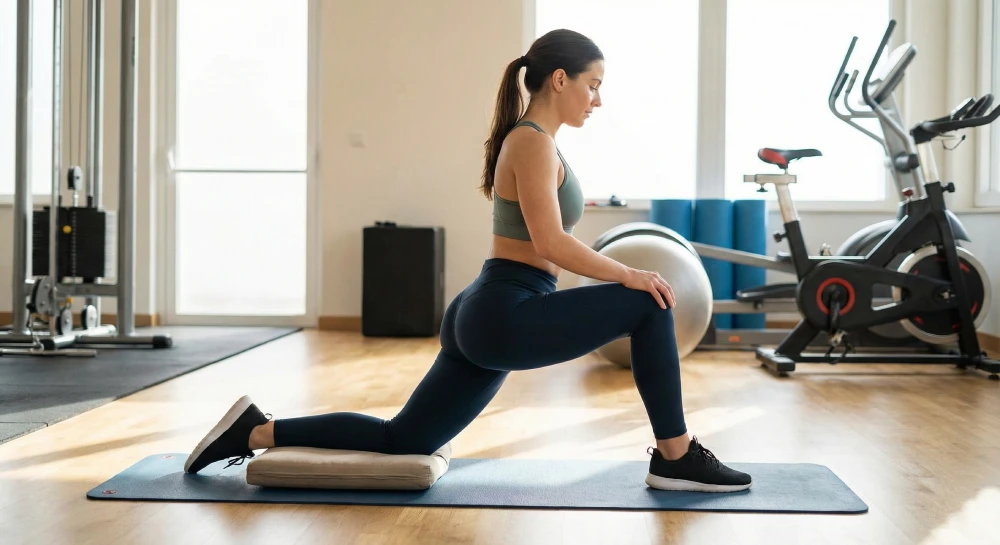
Tight hip flexors can affect how your knee moves while running. This stretch helps improve your stride and knee mechanics.
How to do it:
Benefits: Improves stride and reduces stress on the knee.
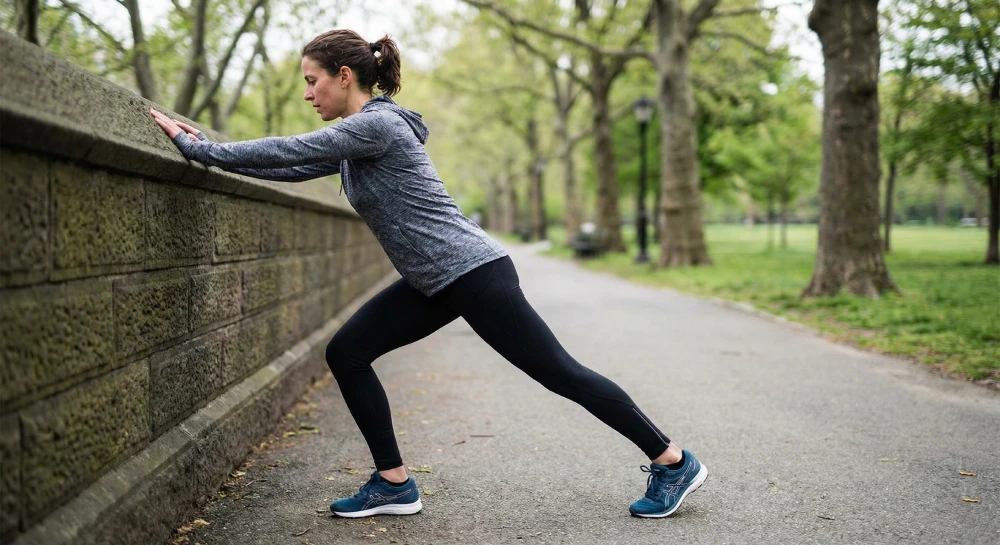
This stretch improves foot movement and helps your knee move correctly while running.
How to do it:
Benefits: Improves running mechanics and reduces impact on the body.
If knee pain keeps returning or you notice swelling, clicking, or discomfort during daily activities, a physiotherapist can help identify the root cause.
A proper assessment of your gait, hip strength, and running form can make a big difference in preventing runner’s knee and keeping you pain-free.
Runner’s knee is a common condition that causes pain around or behind the kneecap. It usually happens due to poor knee tracking, muscle imbalance, or overuse during running or jumping activities.
Runner’s knee is often caused by weak hip and glute muscles, tight quads, poor foot mechanics, and incorrect running form. Overtraining and worn-out shoes can also increase your risk.
Yes. Strengthening the hips, glutes, and thighs improves knee alignment and stability. Stretching tight muscles also helps reduce stress on the knee joint and lowers injury risk.
You should perform these exercises 2 to 3 times per week. Consistency is more important than intensity. Start slow and increase gradually.