 ★★★★★
( 5 Star Reviews)
★★★★★
( 5 Star Reviews)
Sterling Physiotherapy is a trusted clinic in Hamilton with 200+ real Google reviews for Physiotherapy, Vestibular, TMJ Dysfunction, Massage therapy and Custom orthotics.
What people ask us more than anything else at the clinic is this:
"My back hurts - should I put a heating pad on it or an ice pack?"
A straightforward query, yet messing it up could amplify discomfort. Heat applied too soon to a new ankle injury may cause swelling that worsens. Meanwhile, cold on an old tight neck might increase stiffness. Wrong timing shifts relief into added strain.
Sterling Physiotherapy believes in providing clear, simple guidance. This guide explains when to use heat or ice, step by step.
ICE (Cryotherapy) is for new injuries (acute).
HEAT (Thermotherapy) is for old injuries (chronic).
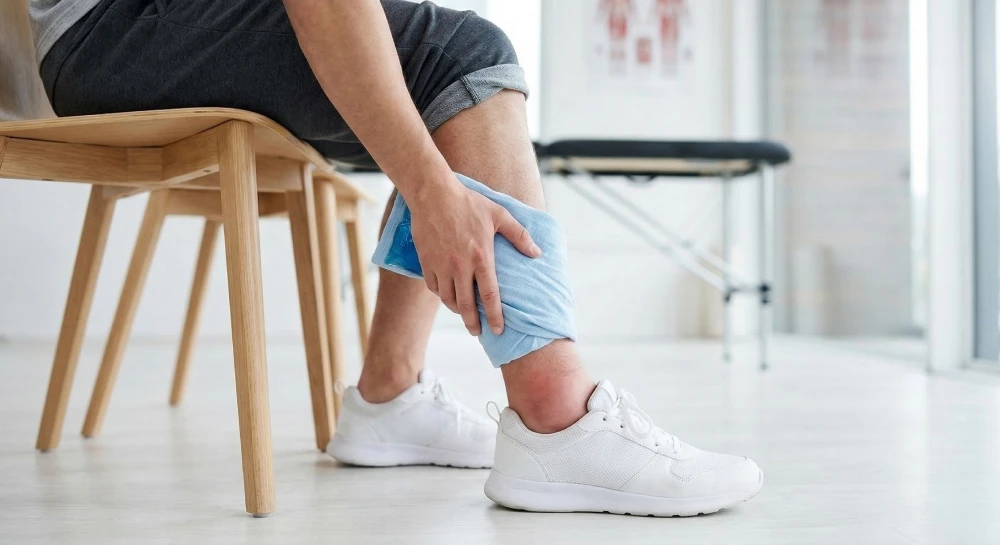
After an injury, blood rushes to the area, causing inflammation. While this helps healing, too much swelling increases pain and limits movement.
Cold therapy helps by:

Heat increases blood flow, allowing oxygen and nutrients to reach affected tissues. It also helps relax muscles and improve flexibility.
Benefits include:
Important: Do not use heat on fresh injuries or swelling, as it can worsen inflammation.
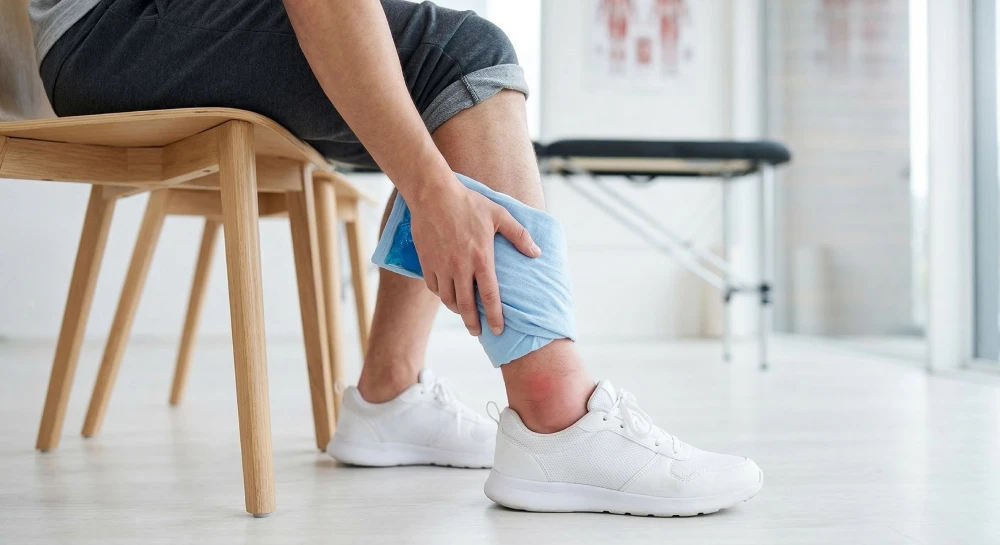
For ongoing swelling after the initial injury phase, you can try contrast hydrotherapy.
This helps improve circulation and reduce swelling by alternating blood vessel expansion and contraction.
| Condition | Ice | Heat |
|---|---|---|
| Sprained Ankle (Day One) | Yes | No |
| Pulled Muscle (Day One) | Yes | No |
| Chronic Lower Back Pain | No | Yes |
| Arthritic Knee (Morning Stiffness) | No | Yes |
| Arthritic Knee (After Activity Swelling) | Yes | No |
| Tension Headache / Neck Tightness | No | Yes |
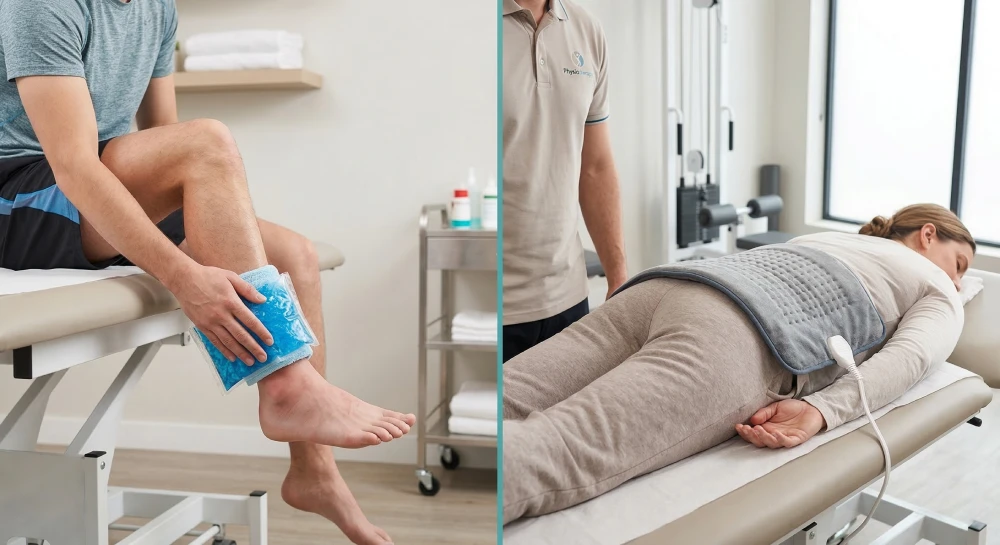
Both ice and heat can help relieve pain when used correctly. However, they only manage symptoms and do not fix the root cause.
If pain or swelling continues, it may indicate an underlying issue that needs proper assessment and treatment.
If symptoms don’t improve after a couple of days, it’s best to consult a professional.
Book your assessment at Sterling Physiotherapy.
Our team in Hamilton helps you move better and recover faster with the right treatment approach.
Use heat for chronic back pain or muscle stiffness, as it improves blood flow and relaxes tight muscles. Use ice if the pain is due to a recent injury or swelling.
Ice should be used within the first 24 to 72 hours after an injury. It helps reduce swelling, inflammation, and pain by slowing blood flow to the affected area.
Heat therapy is best for chronic pain, muscle stiffness, and tension. It increases circulation, relaxes muscles, and improves flexibility.
No, heat should not be used on a new injury. It can increase swelling and inflammation, which may worsen the condition.