 ★★★★★
( 5 Star Reviews)
★★★★★
( 5 Star Reviews)
Sterling Physiotherapy is a trusted clinic in Hamilton with 240+ real Google reviews for Physiotherapy, Vestibular, TMJ Dysfunction, Massage therapy and Custom orthotics.
A solid center doesn’t just shape how you appear - it holds your spine steady, keeps you balanced, yet eases regular motion. Most assume working the core is about relentless crunching; however, that often stresses the neck while failing to create real stability. These moves shift attention toward deeper muscle layers guarding your lower back alongside the hips.
Core stability boosts everyday movement and balance
Your core goes beyond the abdominal muscles. Surrounding the spine, they also cover parts of the hip and pelvic region. If those areas lack strength, the lower back often picks up the slack. This shift may lead to discomfort, tightness, or misalignment over time. Stability training allows movement to flow better while easing pressure on key joints.
Dead bug - gentle motion, builds control without strain.
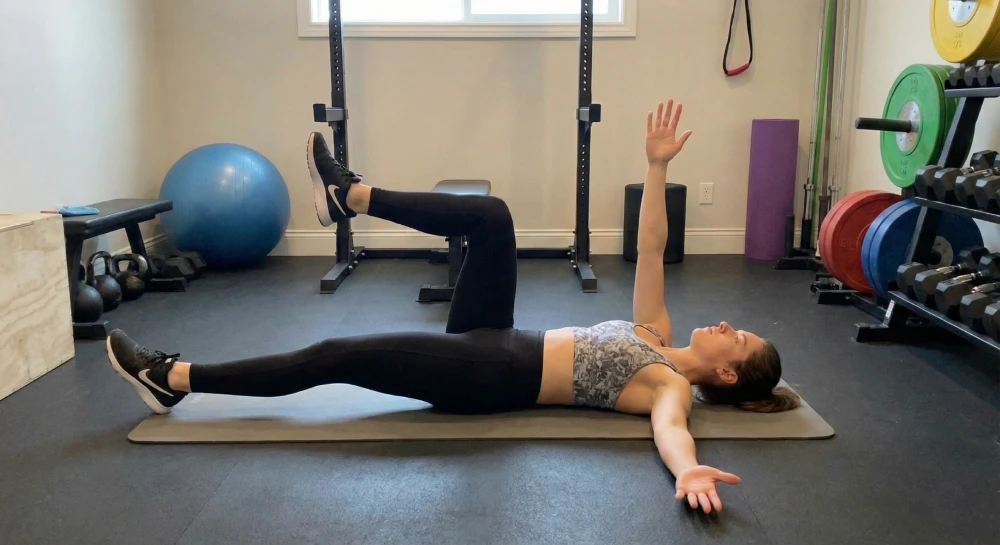
How to do it:
Improves balance while activating the lower abs. Builds stability through movement control.
Bird Dog suits newcomers well while being gentle on the back.
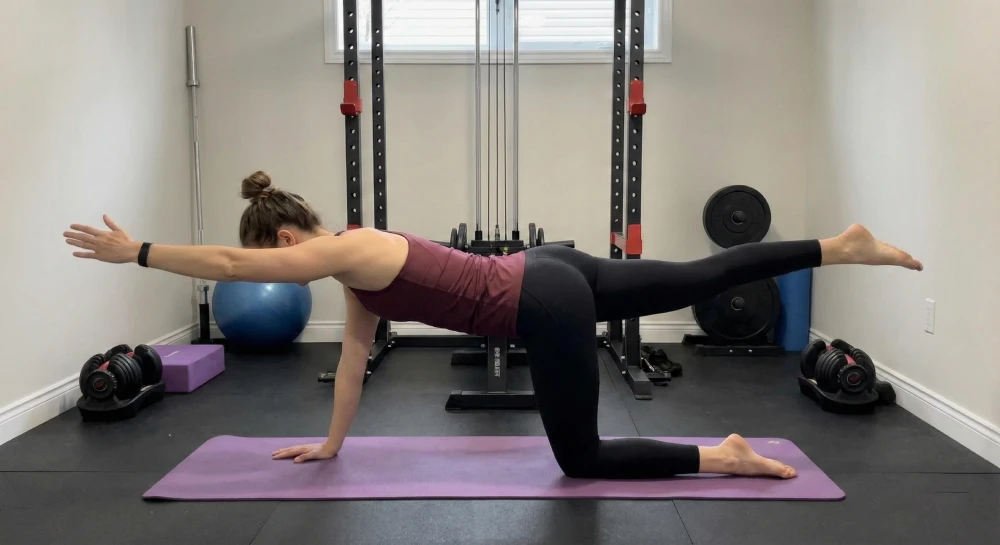
How to do it:
Better balance, stronger posture - linked to steady lower back support through subtle shifts in movement awareness.
Glute bridge strengthens hips - also supports the lower spine. One move, two gains, without fuss or flare.
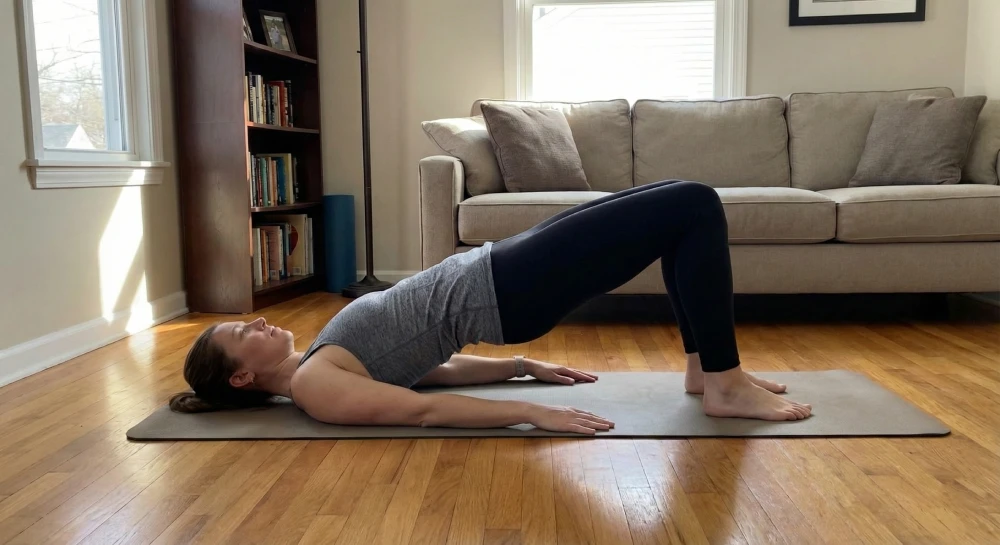
How to do it:
Side Plank (Knee Down Variation) – a simpler take on the traditional move, easier on balance and core demand.
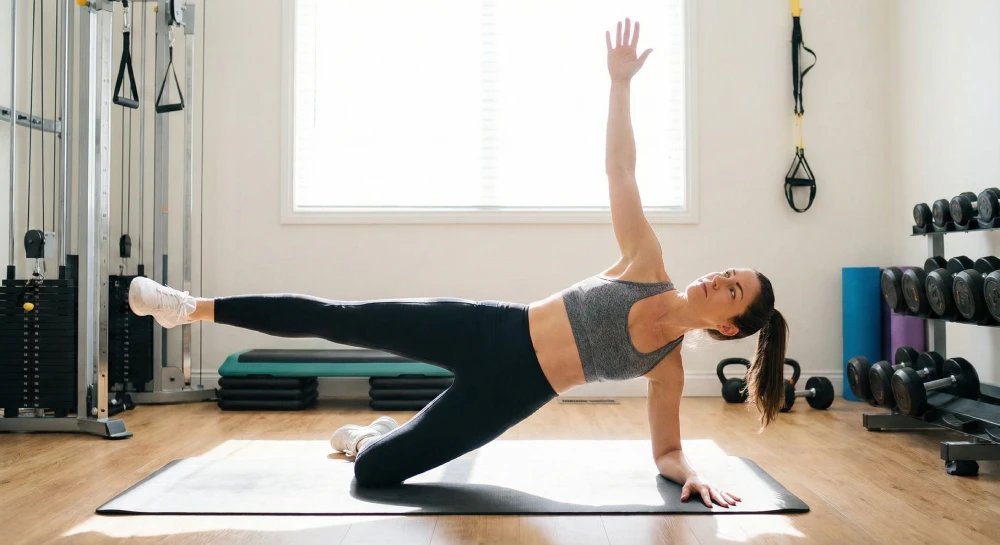
How to do it:
Marching Bridge - A simple way to build pelvic control.
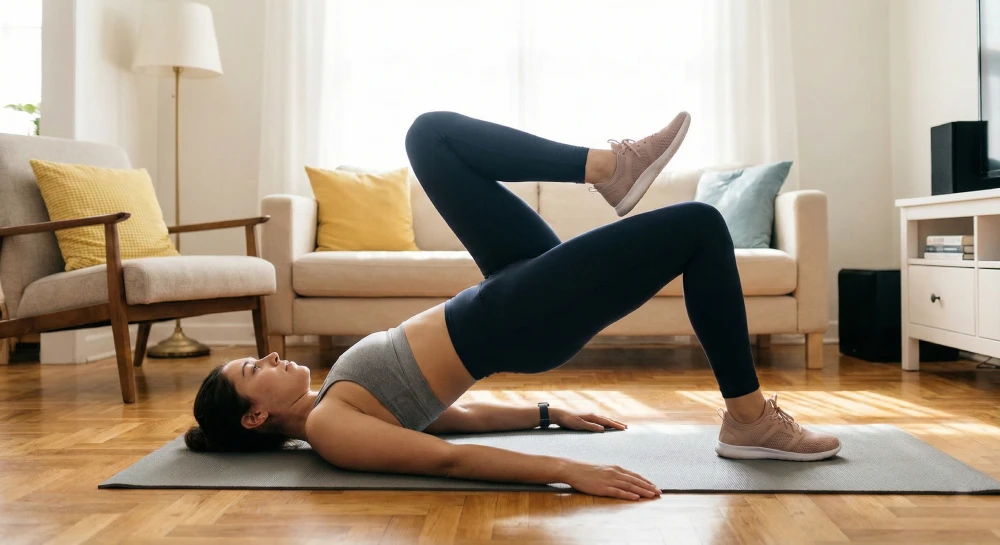
How to do it:
Built to keep your center steady when you move. Stability comes easier when your midsection holds strong.
Take your time - rushing breaks rhythm. Stay calm, let each motion find its place.
Mind the movement, forget how fast or how many.
Stop if you feel sharp pain in your lower back.
These moves are great if you want to:
A physio might help when simple motions spark discomfort. Or maybe your midsection seems off, even though you work out regularly. They’ll watch how you move, notice what’s strained or awkward. From there, they shape a routine just for you - no templates, no guesswork.
Core exercises support your spine and pelvis, helping your back and hips move more efficiently. A strong core reduces strain on surrounding muscles and lowers the risk of pain or injury.
Yes, beginner-level core exercises are usually safe when done correctly. They focus on controlled movements and proper form, which helps protect the back. If pain increases, it is best to stop and consult a physiotherapist.
Most beginners can start with 2 to 3 sessions per week. Consistency matters more than intensity, especially when building back and hip stability.
Yes, core exercises improve pelvic control and muscle balance, which can reduce hip pain and stiffness over time. Strong core muscles help the hips move with better alignment.