 ★★★★★
( 5 Star Reviews)
★★★★★
( 5 Star Reviews)
Sterling Physiotherapy is a trusted clinic in Hamilton with 200+ real Google reviews for Physiotherapy, Vestibular, TMJ Dysfunction, Massage therapy and Custom orthotics.
That sudden spin when you move - maybe shifting in bed, reaching for a top shelf or crouching to fasten a shoe - can jolt you. Though brief, the dizziness often lingers as unease, shadowing your balance long after it fades.
Most times, dizziness like this comes from something called Benign Paroxysmal Positional Vertigo - BPPV for short. Even though the term sounds complex, it's actually widespread and responds well to treatment. Recovery often happens naturally too, especially when specific physical therapy methods are used instead of drugs.
Balance issues? The team at Sterling Physiotherapy looks closely to find what's really behind your dizziness. With care rooted in proven methods, they guide recovery step by steady step. Moving better comes naturally when trust grows alongside strength. Life feels steadier once control returns, quietly and surely.
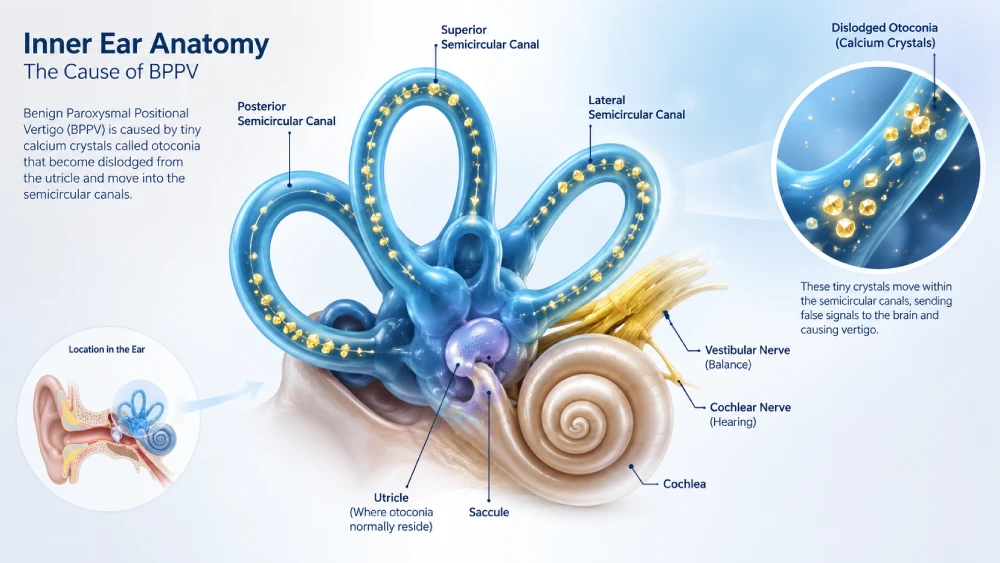
Inside the ear, tiny crystals (otoconia) help you stay steady. When these shift out of place into the inner ear canals, sudden dizziness and spinning (vertigo) can follow. Signals go haywire, misleading the brain despite what the body feels. This kind of imbalance is often triggered by quick head movements like looking up, bending down, or rolling over in bed.
Inside the canal, movement follows a shift in head position - tiny crystals drift where they shouldn’t. Confusion strikes: eyes report one thing, muscles another, thoughts split apart. The room seems to twist, even when standing still.
BPPV might not be harmful in a serious way, yet it often disrupts everyday tasks while raising fall chances - older people face this more. Stillness doesn’t always help when dizziness strikes without warning.
Most of the time, signs show up fast because of certain ways you move your head. Common symptoms include:

Some clips run just 10 seconds, others stretch past a minute - yet the odd sense of being off can stick around much longer. Moments pass, still that tilt lingers, drifting through minutes and sometimes into hours.
Inside the inner ear, small crystals can shift out of place. That movement leads to BPPV. Several factors may increase the risk, including:
Figuring out the real reason matters, since feeling dizzy might come from any number of issues. Starting off, your physiotherapist takes time to understand your situation through conversation. Questions come up about:
Most often, doctors use the Dix-Hallpike Test to find out which inner ear canal isn’t working right. With slow turns of your head, the therapist watches how your eyes react - tiny shifts that speak volumes. Because those flickers reveal what words cannot, they guide the next steps.
Yes. What makes BPPV stand out is how treatment usually skips drugs entirely. Most dizziness pills just hide the feeling. Yet physio works differently - by guiding misplaced inner ear crystals where they belong through guided movement. Some people start feeling better fast, often within just a single session or maybe two.
Most people find relief from BPPV through vestibular physiotherapy. Though symptoms differ, movement-based therapy often brings improvement. Since inner ear balance plays a key role, targeted exercises help retrain reflexes.
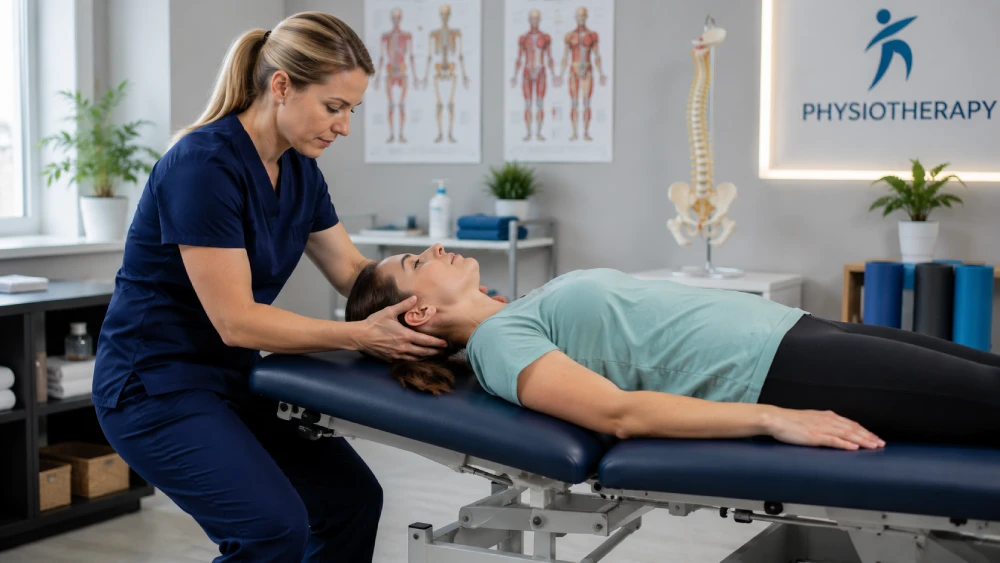
Slow motions of the head and torso shift displaced particles back where they belong within the ear's structure. Movement follows a precise pattern meant to guide each piece gently into place. The process relies on gravity working together with positioning.
Common techniques include:
Most people find these treatments work well right away. Safety comes first, backed by solid research.
Even when the dizziness is gone, a few people still notice their balance isn’t quite right. Some of these workouts might be things like:
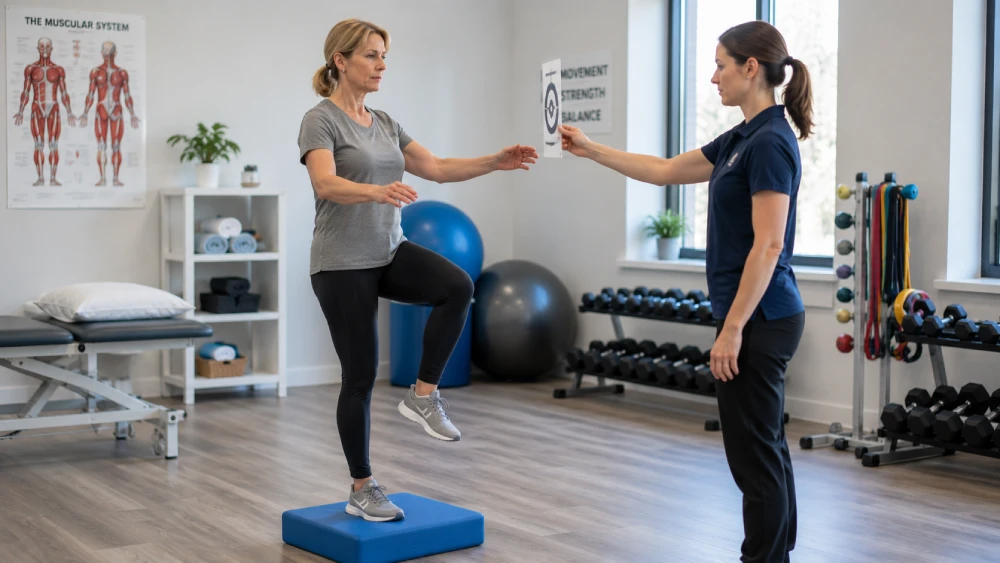
When dizziness lasts weeks or even months, the brain might require extra practice to adjust. Starting with small head turns, these movements retrain how your brain handles balance signals. When practiced daily, they sharpen coordination between sight and inner-ear input.
Though getting expert advice matters, small steps help while healing:
Stick with the routine your physio gave you, doing it the way they showed. Skipping straight to internet workouts could make things worse if you do not know what type of dizziness you have. Each kind needs its own approach - using the wrong one might backfire.
Just because BPPV happens a lot doesn’t mean each dizzy spell comes from the inner ear. You should seek immediate medical attention if dizziness occurs along with:
Yes. Months might pass, sometimes years, before BPPV shows up again after it was fixed. Still, when it comes back, most times it eases just like before with familiar physical therapy moves. Spotting trouble early plus getting care fast might stop long-lasting problems.

Dizziness makes life harder, that much is clear at Sterling Physiotherapy. Because symptoms differ so widely, each assessment digs deep into what's really going on inside your system. Once patterns emerge, therapists shape a response that fits only you.
What matters most isn’t just easing dizziness - it’s rebuilding trust in your body. Confidence returns quietly as balance improves step by step. Daily life fits back into place without leaning on extra pills.
Spinning feelings that won’t quit? Getting help fast might change how things go. When wobbliness shows up again and again, seeing someone sooner helps sort it out before it sticks around.
No. BPPV itself is not life-threatening, but the dizziness can increase your risk of falling, particularly in older adults.
Stress does not directly cause BPPV, but it can make dizziness feel more noticeable and may worsen anxiety related to symptoms.
Some cases improve naturally over time, but physiotherapy often provides much faster relief and helps reduce the chance of ongoing balance problems.
Most people do not require medication. Physiotherapy treatment focuses on correcting the underlying problem rather than simply reducing symptoms.