

Quick Answer: Concussion Physiotherapy in Hamilton
Concussion physiotherapy in Hamilton uses specialized assessment and targeted rehabilitation to treat the headaches, dizziness, neck pain, vision strain, and fatigue that follow a head injury. While most people improve within one to four weeks, physiotherapy helps when symptoms linger or when you need a safe, step-by-step return to work, school, or sport.
Key Takeaways
- A concussion is a mild traumatic brain injury, and you do not need to be knocked out to have one.
- After 24 to 48 hours of relative rest, return to light activity gradually.
- Symptoms lasting beyond about two weeks in adults (four in children) warrant an expert assessment.
- Physiotherapy treats the inner-ear, vision, and neck problems that often contribute to lingering symptoms.
What Is a Concussion?
A concussion is a mild traumatic brain injury caused by a bump, blow, or jolt to the head, or by a hit to the body that whips the head back and forth. The impact briefly disrupts how brain cells work. Standard CT and MRI scans usually look normal, so diagnosis is based on your history, symptoms, and a clinical exam. Most people never lose consciousness, making milder knocks easily overlooked.
Common Concussion Symptoms
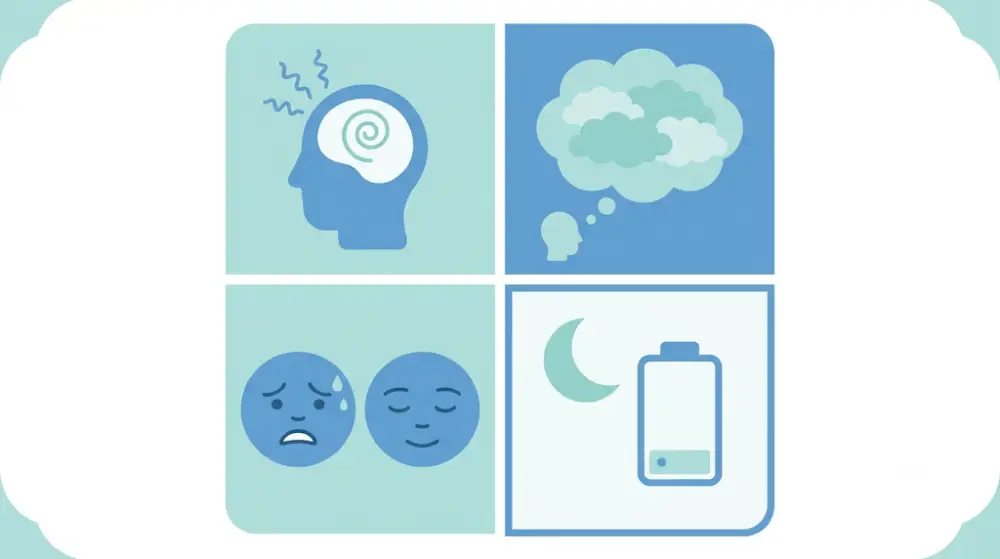
Symptoms may arise quickly or develop over hours and days. They often fall into four categories:
- Physical: Headache, dizziness, nausea, poor balance, light and noise sensitivity, neck pain.
- Cognitive: Brain fog, trouble concentrating, memory lapses, feeling slowed down.
- Emotional: Irritability, anxiety, low mood, feeling overwhelmed.
- Sleep and energy: Fatigue, trouble falling asleep, or sleeping more than usual.
Emergency Red Flags: Seek emergency care if you notice a worsening headache, repeated vomiting, a seizure, loss of consciousness, growing confusion or drowsiness, slurred speech, weakness or numbness, unequal pupils, or fluid from the nose or ears. Anyone with a suspected head injury should be assessed by a doctor.
How Long Does Concussion Recovery Take?
For most people, concussion symptoms improve within one to four weeks, according to Parachute's Canadian Guideline on Concussion in Sport resources. Children and teens often take longer, as can those with a previous concussion. The recovery trajectory is rarely linear, so good days followed by flare-ups are normal. A history of migraines, a coinciding neck injury, poor sleep, or rushing back to demanding activity can all prolong the process.
Typical Concussion Recovery Timeline
| Stage | Typical Timing | What It Involves |
|---|---|---|
| Early Rest | First 24 to 48 hours | Relative rest, gentle daily activity, no sport. |
| Gradual Recovery | One to four weeks | Symptoms ease, step-by-step return to school, work, and exercise. |
| Persisting Symptoms | Beyond 2 weeks (adults) or 4 weeks (children/teens) | Ongoing dizziness, headaches, or fatigue. Expert assessment recommended. |
How Physiotherapy Helps Concussion Recovery
Rest is the starting point, but when symptoms linger, they are often triggered by specific, treatable problems in the inner-ear balance system, eye-movement system, or the neck. A concussion-informed physiotherapist identifies which systems are involved and develops your personalized rehab plan.
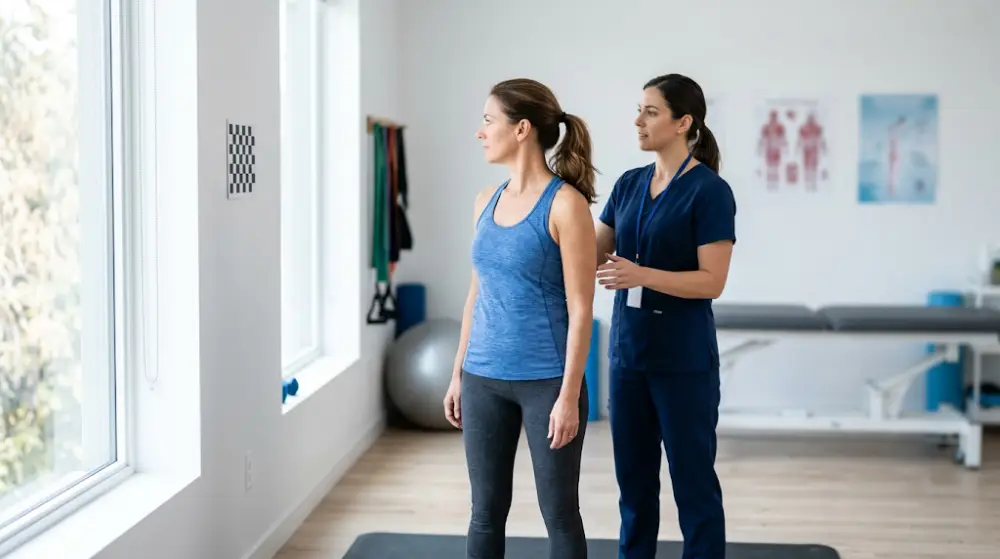
- A Thorough Concussion Assessment: Your first physiotherapy visit includes a detailed history and testing of balance, vestibular function, eye movements, and neck mobility to explain why you feel the way you do.
- Vestibular Rehabilitation for Dizziness: Exercises retrain the brain to process balance information, so turning your head, rolling in bed, or walking through a busy store feels steadier. Learn more about vestibular therapy in Hamilton or our page on dizziness and vertigo.
- Vision (Oculomotor) Exercises: Targeted exercises improve eye coordination, which can ease headaches and eye strain when reading or using screens.
- Neck (Cervical) Treatment: Forces that jerk the head also strain the neck. Manual therapy and exercise can reduce neck-related headaches and dizziness. Our neck pain physiotherapy covers related issues.
- Graded Exercise and Pacing: Carefully dosed aerobic exercise guided by your symptoms can support recovery. Pacing strategies help you manage fatigue and brain fog, with your physiotherapist adjusting the plan each session and coordinating with your doctor.
Concussion Rehabilitation: A Step-by-Step Return to Activity
Parachute's return-to-sport strategy moves through six steps. Each lasts at least 24 hours, and you advance only when activity does not provoke new or worsening symptoms. Returning to school or work comes before returning to sport.
- Step 1: Daily activities and relative rest in the first 24 to 48 hours.
- Step 2: Light aerobic exercise such as walking or stationary cycling.
- Step 3: Individual sport-specific exercise with no risk of head impact.
- Step 4: Non-contact training drills, having been cleared by a medical professional.
- Step 5: Full-contact practice or non-competitive activity.
- Step 6: Return to full sport.
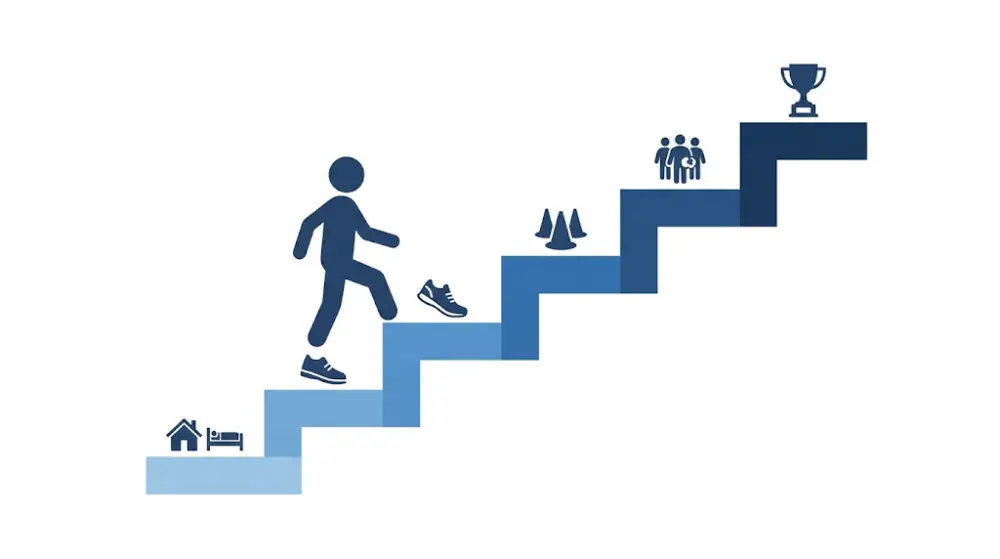
If symptoms flare more than mildly or for more than an hour, stop and try the same step again the next day. Your physiotherapist assists you with progression and helps recognize setbacks. For more specific details on safely returning to play, see our return-to-sport guide.
When Should You See a Concussion Physiotherapist in Hamilton?
Consider booking an assessment if:
- Headaches, dizziness, or fatigue persist beyond two weeks (adults) or four weeks (children and teens).
- Head movement, busy places, or screens worsen symptoms.
- You feel unsteady or "off" when walking, driving, or exercising.
- Neck pain or stiffness began with the injury.
- You want a safe plan to return to work, school, or sport.
Hamilton's active lifestyle means concussions come from many sources: hockey and football, icy sidewalks and Escarpment trails in winter, cycling, workplace incidents, and motor vehicle collisions. If your injury was a result of a car accident or a workplace incident, Sterling Physiotherapy provides MVA physiotherapy and WSIB physiotherapy, and we offer direct billing with most insurance benefit providers.
Concussion Physiotherapy at Sterling Physiotherapy in Hamilton
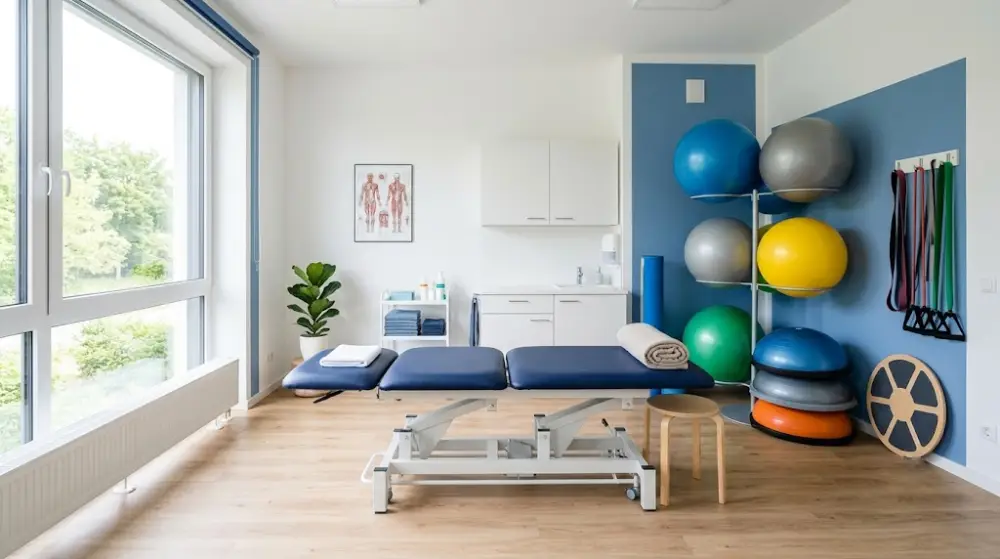
Sterling Physiotherapy is a multi-disciplinary outpatient rehabilitation clinic at 505 Rymal Rd E, Hamilton, with over 200 Google reviews. We offer concussion assessment, vestibular and vision rehabilitation, neck treatment, and return-to-activity guidance, in coordination with your doctor.
No referral is needed, parking is free. We are open Monday to Friday 10 am to 8 pm and Saturday 10 am to 3 pm.
Book Your Concussion Assessment
Still dizzy, foggy, or held back by headaches? Let us determine the cause and develop a plan to get you moving again.
Book an Appointment
Call: (289) 401-2900
Location: Sterling Physiotherapy, 505 Rymal Rd E, Hamilton, ON L8W 3X1