
Quick Answer: What is TMJ Physiotherapy?
TMJ physiotherapy is a specialized manual therapy that reduces jaw discomfort, clicking, and tension headaches caused by temporomandibular disorders (TMD). By addressing muscle overactivity and joint stiffness, it helps patients regain normal jaw movement and avoid aggressive surgeries.
What Is the TMJ and What Is a TMJ Disorder?
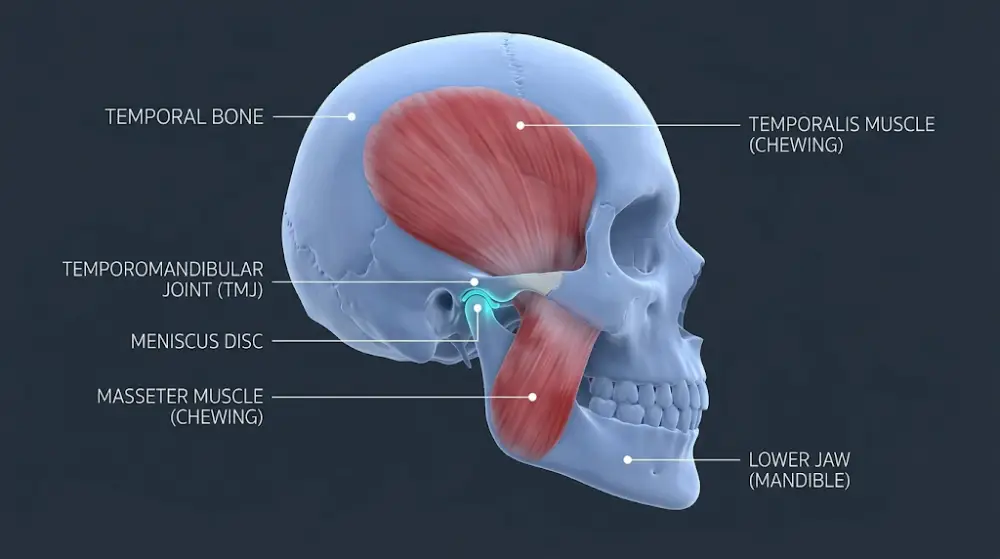
The temporomandibular joints (TMJ) are located on both sides of the head near the end of the temporal bone, just in front of the ears. This highly complex joint allows the lower jaw to move smoothly in various directions with the help of a meniscus disc and several chewing muscles.
A temporomandibular joint disorder (TMD) arises when the TMJ, its disc, or the associated muscles become inflamed, misaligned, or irritated. This condition may affect roughly 10% of people at some point in their lives, predominantly occurring in individuals aged 20 to 50.

Common Signs and Symptoms of TMJ
TMJ disorders can manifest in numerous ways, often disguising themselves as chronic headaches or ear issues. Key indicators include:
- Jaw pain, especially while chewing or upon waking up.
- A popping, clicking, or grating sound when opening or closing the mouth.
- Reduced range of motion or a sudden "locked" jaw.
- Headaches or pain radiating around the temples.
- Earaches, ringing (tinnitus), or a sensation of fullness in the ears.
- Stiffness in the neck and shoulders.
- Facial swelling or jaw muscle fatigue after extended meals or conversations.
What Causes TMJ?
Understanding the root cause is the first step toward effective relief. Common triggers include:
Bruxism
Clenching or grinding of the teeth, often triggered by emotional stress or sleep disorders.
Muscle Overuse & Posture
Excessive gum chewing, eating hard foods, or poor neck posture from prolonged desk work ("tech neck").
Trauma
Impact to the jaw from sports injuries, motor vehicle accidents, or prolonged extension during dental surgery.
Degenerative Diseases
Conditions such as osteoarthritis or rheumatoid arthritis breaking down the joint over time.

How Can TMJ Physiotherapy Help?
TMJ physiotherapy in Hamilton addresses the various symptoms, triggers, and causes of this disorder to help you deal with a locked jaw and resume normal daily activities.
Therapy begins with a comprehensive assessment to understand how range of motion, joint tenderness, and posture are contributing to your condition. Treatment plans often utilize a combination of techniques:
- Soft Tissue Release: Relieving pressure on tight chewing muscles and the jaw joint.
- Joint Mobilization: Gentle movements to relieve discomfort and improve range of motion.
- Posture Correction: Retraining neck and shoulder muscles to reduce structural strain on the TMJ.
- Behavior Modification: Guidance on reducing bruxism and avoiding harmful jaw habits.
- Pain Relief Modalities: The application of heat, ultrasound, or other tools to reduce inflammation.
How Long Does Physiotherapy for TMJ Take?
Most patients report a significant improvement in discomfort after three to six months of consistent physiotherapy and home exercises. While mild to moderate cases resolve beautifully with manual therapy, chronic cases may require a more personalized treatment program alongside dental procedures.
Simple Jaw Care Recommendations
While recovering, you can assist your physiotherapy progress with these home care tips:
- Maintain a neutral jaw position: lips closed, teeth slightly parted.
- Avoid chewing gum, ice, or hard foods.
- Support your jaw when yawning.
- Avoid holding your mobile device between your ear and shoulder.
- Apply a warm compress to tense jaw muscles to encourage relaxation.
Emergency Warning: If you have an immediately apparent jaw deformity following an injury, if your jaw is completely blocked, or if jaw discomfort is accompanied by chest pain, numbness in the arms, or difficulty breathing, seek emergency medical care immediately.

Why Choose Sterling Physiotherapy?
When you visit Sterling Physiotherapy, you receive a detailed individual assessment and a personalized treatment plan designed to eliminate the root cause of your pain.
Book Your TMJ Assessment
You shouldn't have to suffer through meals or wake up with a stiff jaw. Take the first step toward lasting relief.
Book Online NowOr Call: (289)-401-2900