 ★★★★★
( 5 Star Reviews)
★★★★★
( 5 Star Reviews)
Sterling Physiotherapy is a trusted clinic in Hamilton with 240+ real Google reviews for Physiotherapy, Vestibular, TMJ Dysfunction, Massage therapy and Custom orthotics.
Strong muscles surrounding the knee keep it functioning well. Weakness or uneven development in the hips, quadriceps, or lower legs shifts extra stress straight onto the joint. That added pressure frequently results in soreness, inflammation, or problems such as patellar irritation, overuse tendinitis, or strained connective tissue. These movements are straightforward, reliable, yet gentle enough for many individuals.
Your knee works like a hinge, relying on surrounding muscles for steady support. When your quads, hamstrings, glutes, or calves are solid, they handle shock better mid-motion. Balance gets sharper during everyday moves - stepping up, shifting weight, pushing off. Less strain hits the joint itself when muscle shares the load. Movement feels smoother simply because power flows through coordinated effort.
Wall Sit: A great way to build quad strength without stressing the joint.
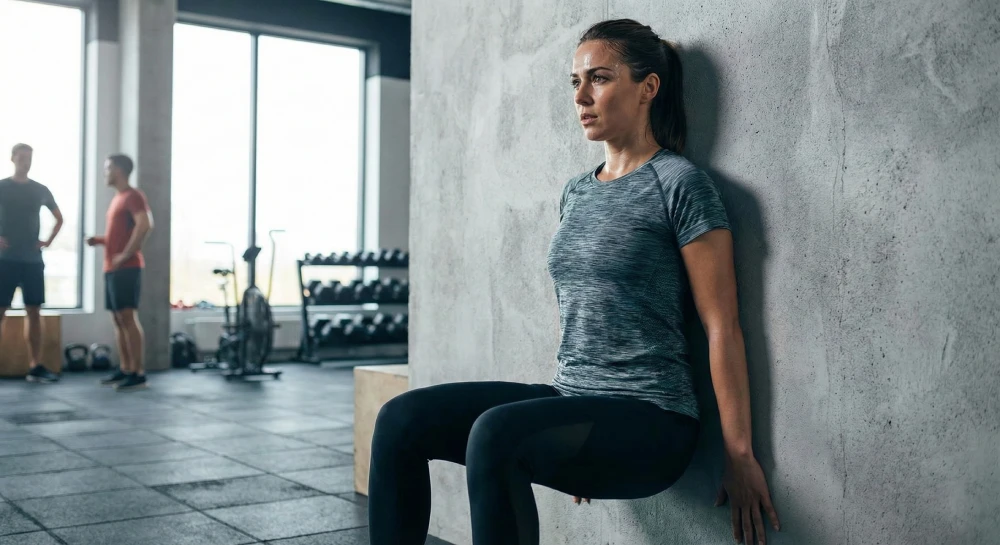
How to do it:
Builds up leg muscles while supporting joint control. Keeps movement smooth plus enhances lower limb power.
Glute Side Walks (with or without a band): Targets your hip muscles, which support knee alignment.
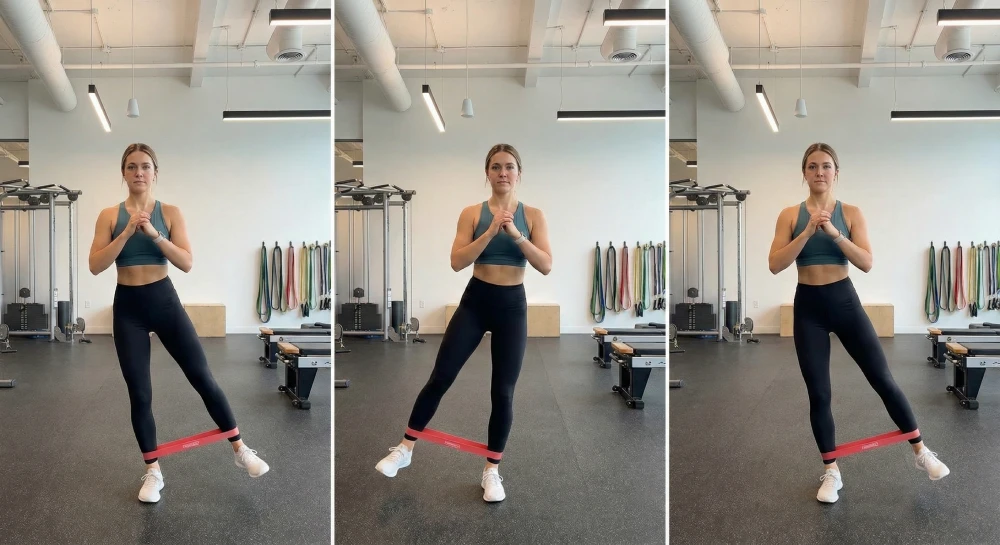
How to do it:
Built to stop knees from dipping inward when moving on foot. Keeps alignment steady without calling attention to itself. Works quietly through strides, big or small.
Hamstring Curls: Balancing quad and hamstring strength protects the knee.
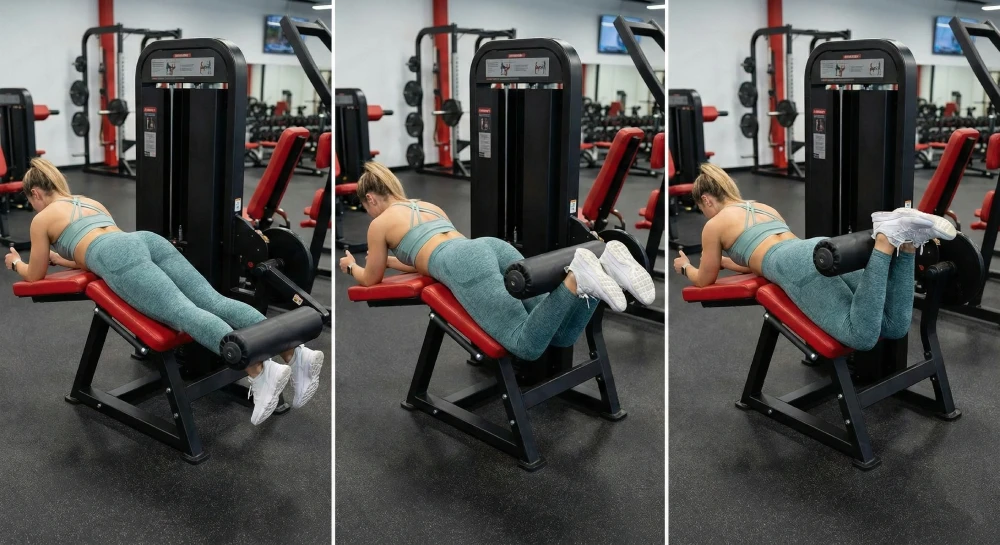
How to do it:
Built to ease pressure behind the knee, offering steadier movement. Stability shifts smoothly when support aligns just right.
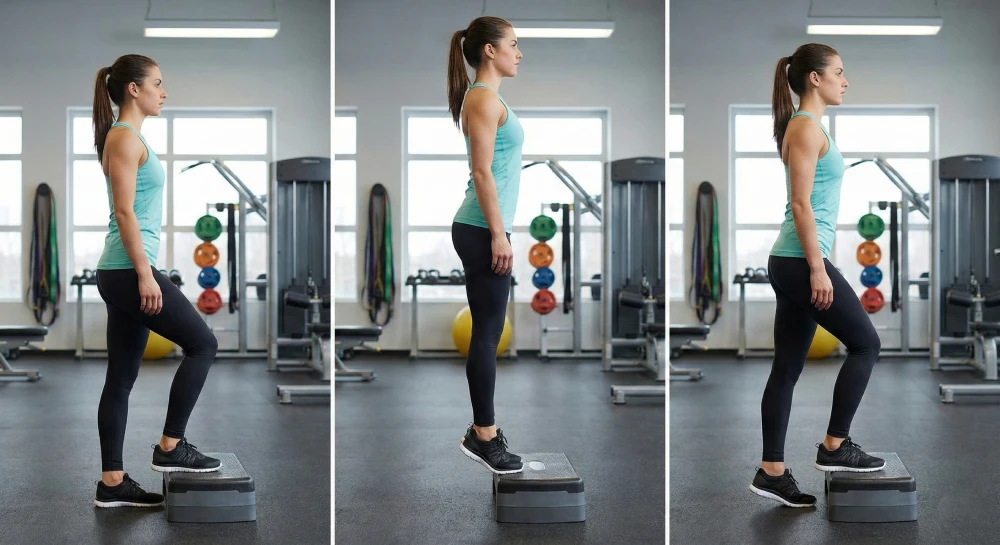
Step-ups: replicate real-life motions, building practical strength through simple climbing actions instead of complex routines.
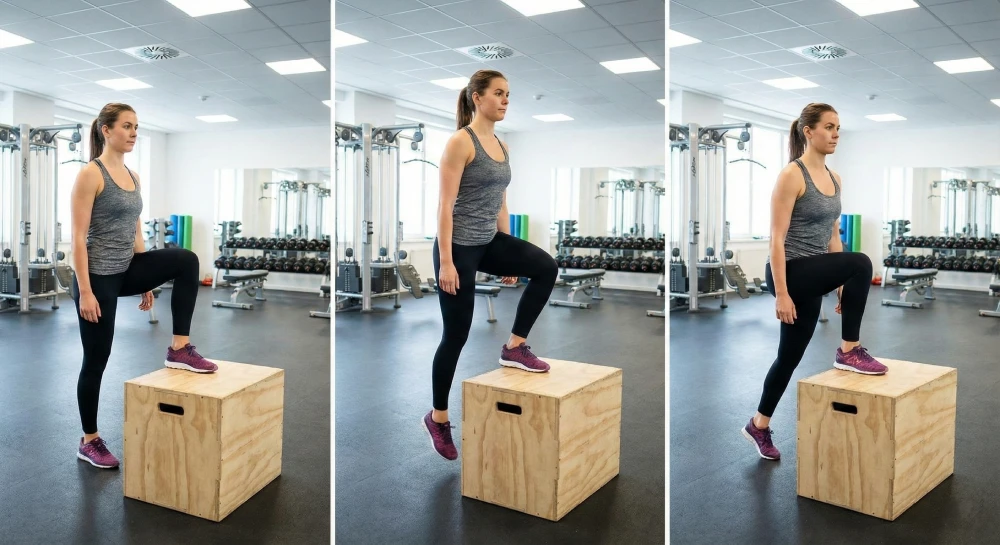
How to do it:
Built stronger legs - especially the front and back thighs along with those hip muscles - while getting steadier on your feet.
Calf raises: They’re skipped way too often - yet they quietly support your knees every step you take. One small move, solid payoff.
How to do it:
Tips for Better Results
Begin with around ten to twelve repetitions, then slowly increase over time.
If swelling shows up - take a break. Sharp pain? Ease off right away.
When These Exercises Help These strengthening moves are great for:
If pain sticks around, hits hard, or ties back to an old injury, that’s when a physiotherapist steps in - ready to trace the root. Specific movements might help, maybe hands-on techniques, perhaps adjusting how you walk.
Strong muscles around the knee improve stability, reduce joint stress, and lower the risk of injuries during daily activities and sports.
You should focus on the quadriceps, hamstrings, glutes, and calves, as these muscles work together to protect and stabilize the knee joint.
Yes, when done correctly, strengthening exercises can reduce knee pain by improving joint alignment and reducing strain on ligaments and cartilage.
Most people benefit from doing knee exercises 2 to 3 times per week, allowing rest days for muscle recovery.