Pelvic health matters more than most assume when it comes to how your body functions every day. Still, since that area tends to be seen as personal or awkward to talk about, huge numbers deal with pain down there, leaking urine, or weak center muscles without saying a word. Fact is, living with those issues isn’t something you must just tolerate - like it’s typical after getting older or having kids.
Movement changes everything - at Sterling Physiotherapy in Hamilton, feeling strong again starts with moving freely. Not stuck. Not cautious. Just able to live without holding back. If you're healing after childbirth, struggling with ongoing low back discomfort, or noticing unwanted bladder leaks, help already exists. Pelvic floor therapy works gently. No surgery needed. Results come through careful guidance, steady progress, done right here.
Picture your body’s core support system - this type of therapy strengthens just that. Not everyone knows when it applies, yet many find relief once they begin. Relief shows up quietly, through better control and less discomfort every day. Some movements take seconds; doing them changes how you feel months later.
Understanding the Pelvic Floor
"What does the pelvic floor do?"
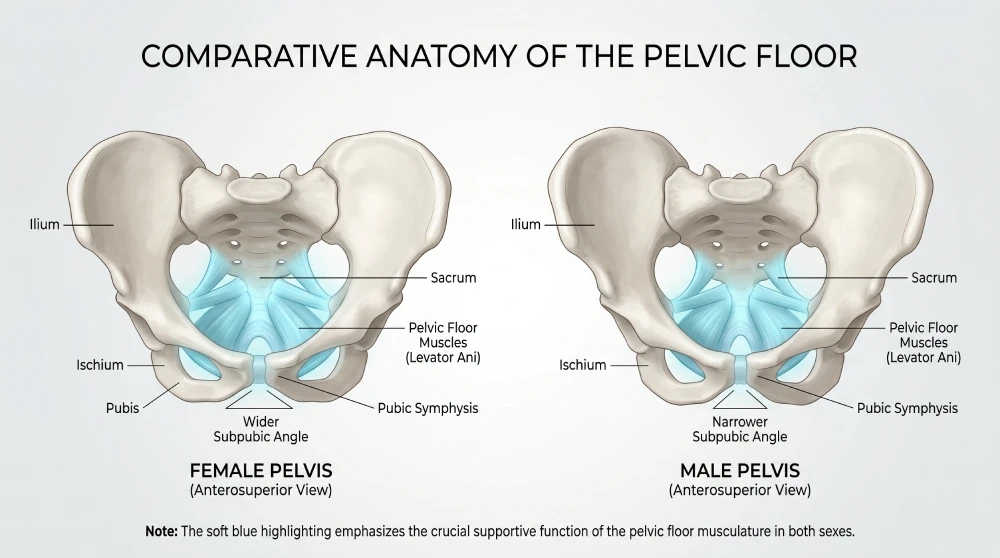
Deep inside your body, near the pelvis, sits a web of support. Think of it like a sling—soft yet strong—that holds things in place. It runs from the pubic bone to the tailbone. These muscles support the bladder, uterus, and bowel, control urine and gas release, and provide deep core stability for your spine and pelvis.
These muscles have several crucial jobs:
- Organ Support: These muscles form a base layer underneath your internal organs, keeping the bladder, womb in females, gland near the rectum in males, and intestines securely in place. Without their steady tension, those structures would lack stability during movement or strain.
- Sphincter Control: Wrapped tight around the urethra, vagina, and rectum, these muscles decide when pee leaves the body. Holding back poop? That job belongs to them too. Gas passes only if they say so.
- Core Stability: Stability begins deep inside. These exercises target core muscles you might not feel at first. Movement flows easier when the pelvis stays anchored. Strength here shows up as balance, as control, as less strain on the lower back.
- Sexual Function: Pleasure during sex often links closely to how strong those hidden pelvic muscles feel. When they work smoothly, intimacy tends to follow without discomfort tagging along.
If those muscles grow unusually weak (hypotonic) or overly tense (hypertonic), problems in the pelvic floor can start. That shift often brings many troubling symptoms that interfere with daily life.
What Is Pelvic Floor Physiotherapy?
Pelvic floor physiotherapy focuses on muscle issues deep within the lower torso - experts evaluate how these tissues work, then guide recovery so movement returns smoothly. Strength builds slowly. Endurance follows. Flexibility opens up over time. Coordination ties it all together through careful practice.
Hidden deep inside, your core muscles get special attention through pelvic health therapy. While regular rehab may fix an injured shoulder or twisted joint, this practice zooms in on areas often overlooked. Instead of guessing, trained therapists feel both outside and within to check muscle behavior. Some tissues stay too tight, locked in constant tension, while others lack strength and sag under strain.
Most care plans are built around you, mixing hands-on work with real-time body signals. One part might involve guided movements, another focuses on how you breathe. Each session adds insight into everyday actions affecting pelvic wellness - no two paths look the same.
Who Might Benefit From Pelvic Floor Physiotherapy?
Most people think pelvic floor therapy matters just for new moms. Yet it's not only about after childbirth - problems show up in men too, at any age. Needing help might come up if your situation matches one of these groups:
1. Women During Pregnancy and Postpartum
Heavy weight from pregnancy pushes hard on the muscles down low. Getting help from movement therapy lets moms-to-be strengthen that area ahead of time so things go easier when giving birth. After childbirth, it guides recovery - fixing split abs, sore scar tissue, and urine control problems without strain.
2. Individuals Experiencing Incontinence
Laughing makes pee come out? So might coughing, a sneeze, even jumping. Stress incontinence - that’s the name for it. Feel a rush to dash to the toilet, barely make it? Urges like that point to urge incontinence. Living with leaks isn’t your only path forward. Retraining muscles through physio helps them work right again.
3. People with Pelvic Organ Prolapse
Heavy pressure or a bulge might show up when key muscles down low lose strength. Organs like the bladder, uterus or bowel shift if those supports weaken too much. Movement exercises help build stability nearby to ease discomfort and slow further slipping.
4. People Experiencing Pelvic Discomfort or Pain During Sex
Some issues aren’t about weak muscles at all. Often, trouble comes when muscles are too tense - locked in constant contraction. Pain during sex (like vaginismus) could be a sign of such muscle spasms. Hands-on therapy from a trained professional helps ease this grip.
5. Men Facing Prostate or Pelvic Challenges
Just like women, men come with a pelvic floor. Following prostate surgery (which often leads to short-term trouble holding urine), many turn to pelvic floor therapy. Help arrives through targeted physical support, shaped around each person’s needs.
The Life-Changing Benefits of Therapy
Committing to a customized pelvic floor rehabilitation program offers profound, life-improving benefits:
- Improved Bladder Control: Back in charge of bathroom trips. No more scouting rest stops on every outing, nor relying on backup underwear.
- Avoid Surgery: Most times, physical therapy helps fix prolapse or bladder control problems without going under the knife. Healing often happens step by step.
- Reduced Pelvic Pain: Pain fades when tight spots in muscles let go. Releasing these areas eases discomfort deep in the pelvis or along the lower spine.
- Enhanced Sexual Function: Many find sex becomes comfortable again once tight or weak muscles are addressed.
- Better Core Stability: When the pelvic floor heals, core strength usually improves. Fixing it can ease long-term back discomfort and improve overall alignment.

Everyday Pelvic Muscle Workouts
A Note on Kegels
Most folks picture Kegels at the mention of pelvic floor. Yet those exercises fit just one scenario - when muscles lack strength. If you have tightness that leads to discomfort, squeezing more might fuel the problem. That’s where expert insight becomes essential.
Even so, these three basic moves come up a lot in pelvic rehab work:
1. Deep Belly Breathing All Around (360 Breathing)
Deep breaths make your diaphragm move down. That shift tugs on the pelvic floor, letting it loosen. Start flat on your back, knees up. Let your hands rest along the lower ribs. Pull air in through the nose - notice how the ribs push against your palms. During that breath in, let go of tension just above the thighs. Empty the lungs gently by breathing out via the mouth. Perfect for all people - particularly if you deal with a tense pelvic floor or ongoing discomfort.
2. Classic Pelvic Floor Exercises (Kegels)
Start by sitting or lying in a relaxed position. Picture stopping both urination plus holding back gas. Pull up on that muscle group, drawing it inside and higher without force. Let the tension stay for three full counts. Release everything completely; wait ten slow beats until next try. Perfect if leaks happen when you laugh or cough. Works well after having a baby.
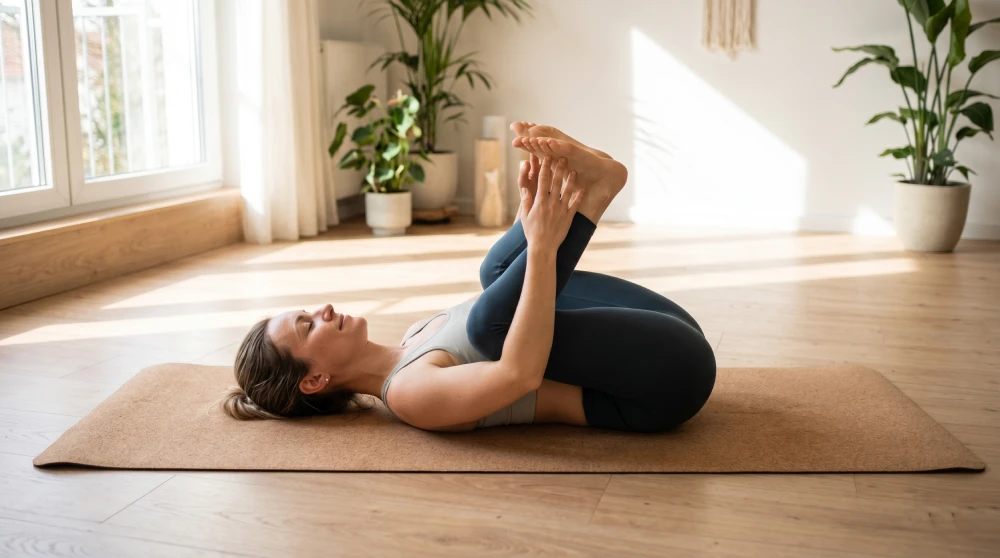
3. The Happy Baby Pose
Stretching into this yoga position helps ease tension in an overly tight pelvic floor. Start by lying flat on your back, drawing both knees close to your torso. Stretch your arms upward until fingers meet the outer sides of your feet. Ease the legs downward so knees move near your armpits. Great if you’re dealing with pelvic discomfort, issues near the tailbone or when sex hurts.
What to Expect During a Visit to Sterling Physiotherapy
Starting with a pelvic floor check might seem tough. Yet at Sterling Physiotherapy, how you feel matters most. Your space stays private. Respect comes first. Comfort guides every part.
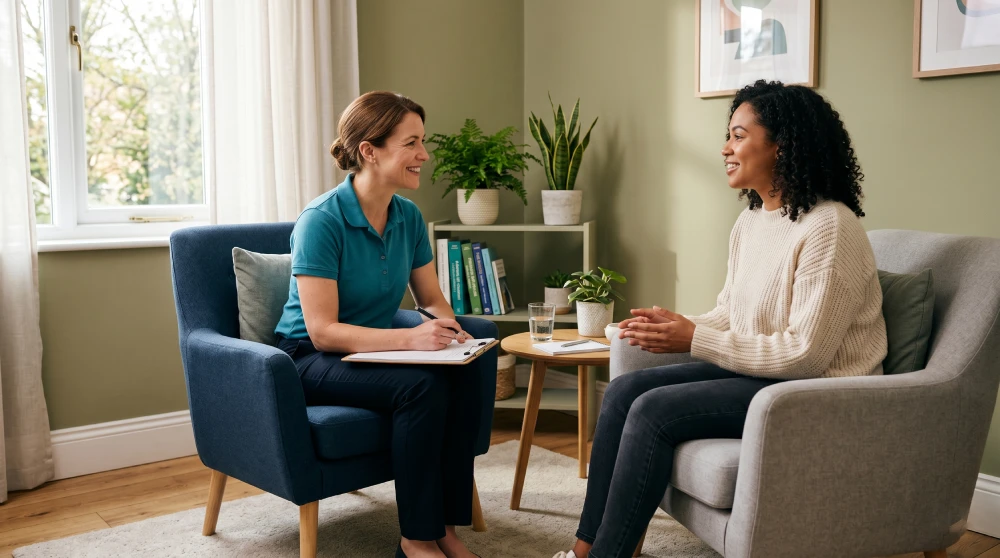
That first appointment begins with a chat - your therapist listens closely to what brought you here. If it feels right to you, they’ll move into checking posture, breath patterns and deep stability muscles from the outside at first. Then comes a careful inside check, done gently, only when agreed upon. From this full checkup, a unique care path takes shape - built only for how your body works.

Manage Pelvic Health Now
Pelvic pain or leaks might slow some down, yet life keeps moving. Support comes from therapists who know exactly what helps.
Start healing now by reserving your visit. Get gentle, skilled support at a well-known rehab center in Hamilton.
Book Your Consultation Today
Call: (289) 401 2900
Pelvic floor physiotherapy is a specialized treatment that helps strengthen, relax, and improve coordination of the pelvic floor muscles. These muscles support the bladder, bowel, and reproductive organs and play an important role in bladder control, core stability, and sexual health.
Pelvic floor physiotherapy can benefit women, men, athletes, pregnant individuals, postpartum mothers and older adults experiencing pelvic pain, bladder leakage, bowel issues, pelvic pressure or core weakness.
Pelvic floor physiotherapy may help treat urinary incontinence, pelvic organ prolapse, pelvic pain, painful intercourse, constipation, postpartum recovery issues, lower back pain, and pelvic floor muscle dysfunction.
Yes. Pelvic floor physiotherapy is one of the most effective non-surgical treatments for urinary incontinence. It helps strengthen and retrain the muscles that control bladder function and reduce leakage.