 ★★★★★
( 5 Star Reviews)
★★★★★
( 5 Star Reviews)
Sterling Physiotherapy is a trusted clinic in Hamilton with 200+ real Google reviews for Physiotherapy, Vestibular, TMJ Dysfunction, Massage therapy and Custom orthotics.
Head knocks happen often. Some folks brush them off till things feel wrong later. Picture slipping on ice or getting hit during soccer. Maybe a crash while driving shakes everything up. Notice changes like dizziness or foggy thoughts? That could point back to that moment. Spotting signs fast helps healing move smoother. Rest matters more than pushing through.
Most folks think you must black out to have a concussion. Truth is, the majority happen without ever passing out. Right after getting hit, things might seem fine - symptoms show up slow, sometimes hours later. Days can go by before anything feels off.
Here’s what spotting a concussion looks like. Medical help? Needed at certain points. Recovery gets a boost through physiotherapy. This guide walks through each piece.
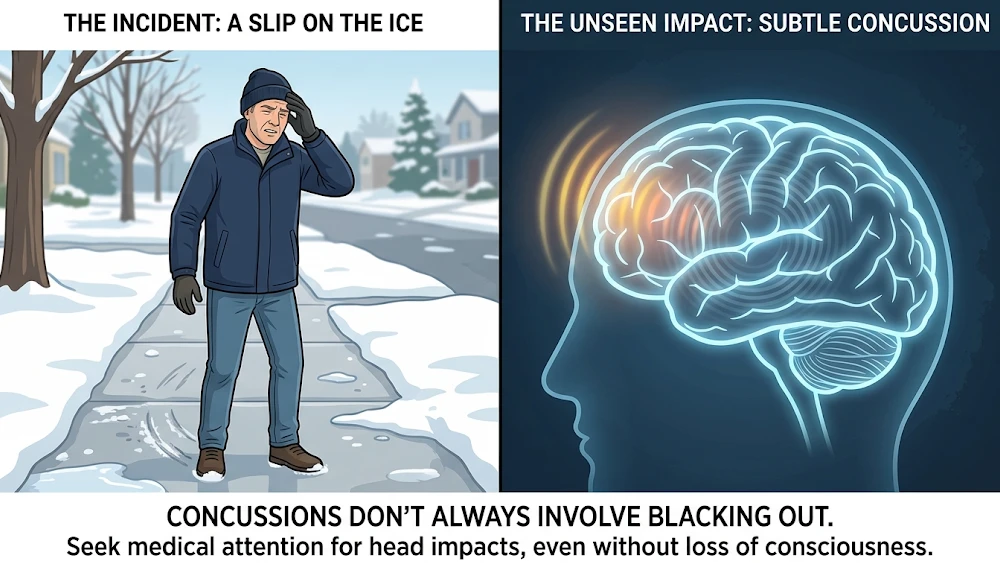
Inside the head, the brain shifts fast after a strong hit or sudden shake. That shift messes with usual thinking, feeling, and moving. Even a small bump can trigger these effects. Concussions can happen from sports injuries, falls, motor vehicle accidents, workplace injuries, or any physical impact to the head or body.
Some notice headaches right away; others feel foggy hours later. Balance might wobble, mood dips without clear reason. Sleep patterns often go sideways afterward.
One moment you’re fine, next something feels off. Headaches might show up slowly, or confusion hits right away. A small bump can lead to dizziness for some, yet another walks it off without pause. Memory slips could linger through the day, where before everything ran smooth. What seems minor at first might quietly grow louder by evening. Each reaction carves its own path, never quite matching the last.
Headaches might show up right away when someone gets a concussion. A person could feel dizzy soon after the injury happens. Nausea sometimes follows a bump to the head. Blurred vision tends to appear early on. Sensitivity to light may start within hours. Balance problems can pop up quickly too. These body reactions usually come before anything else.
Common physical symptoms include:
Some folks say they feel strange afterward. A bump on the head can leave you out of sync. It’s like your mind isn’t clicking right. Things seem slightly wrong without clear cause. Your normal rhythm feels disrupted. You might notice it in small ways others miss.

Some concussions change the way a person thinks. Information moves differently through the mind after such an injury.
When focus slips, studying feels harder. Work drags when concentration fades. Tasks pile up, even small ones. Reading takes longer, like wading through mud.
When the brain gets jolted, feelings often shift too. A person might notice mood changes along with thinking problems. These may include irritability, anxiety, sadness, mood swings, increased frustration, or feeling overwhelmed. It's usually a relative who spots the shifts first, well ahead of the one hurt.
Sleep disturbances frequently occur after a concussion. You may experience sleeping more than usual, sleeping less than usual, difficulty falling asleep, frequent waking during the night, or feeling tired despite getting enough sleep. A good night's rest matters when healing from a head injury.
Yes. Many believe you need to black out to have a concussion. Most brain jolts happen without blacking out. Staying conscious does not rule one out. A hit can leave thoughts fuzzy even when vision stays clear.
Should signs show up following a bump to the head, pay close attention. One moment things feel normal - then headaches arrive without warning. Notice how balance slips, even slightly, days later? That change matters more than expected. Confusion creeps in during usual tasks. Memory gaps appear like missing puzzle pieces. These shifts aren’t just fatigue - it could be something deeper unfolding slowly beneath routine actions.
Right away, a few signs show up following the trauma, yet some take time to appear. Later on, new issues begin to surface slowly.
Symptoms may appear:
Later symptoms show up, which might mean head injuries get overlooked at first. A player might seem okay right after competing yet start struggling with head pain, balance issues, or focus hours afterward - sometimes even the next morning.
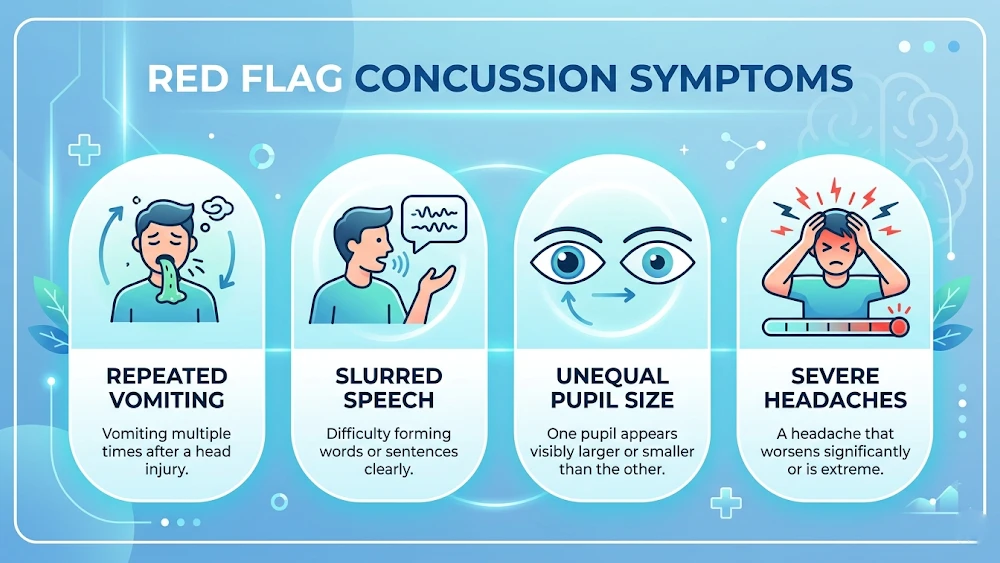
Most concussions won’t endanger your life, yet warning signs can point to deeper trouble in the brain. Seek emergency medical care immediately if you experience:
Ignoring these signs is a risk no one can afford. When they show up, acting fast becomes the only real option.
When concussion signs are overlooked, healing takes longer because lingering issues become more likely. Recovery slows down if symptoms go unaddressed, opening the door to further problems.
Potential consequences include chronic headaches, persistent dizziness, balance problems, difficulty concentrating, sleep disturbances, reduced work or school performance and anxiety and depression. Weeks stretch on, sometimes months, with symptoms lingering behind like an echo - this is what doctors call post-concussion syndrome.
It turns out physio helps more than most expect when dealing with concussions. What surprises many is how central physical therapy can be during recovery. Not everyone realizes movement specialists contribute heavily to healing after head trauma. Most assume rest alone fixes it - yet guided exercise often makes a difference.
After a concussion, problems often develop in multiple systems, including:
Someone who works in physical therapy and knows about head injury recovery might spot exact problems causing discomfort. That person shapes a unique path forward instead of using a standard approach.
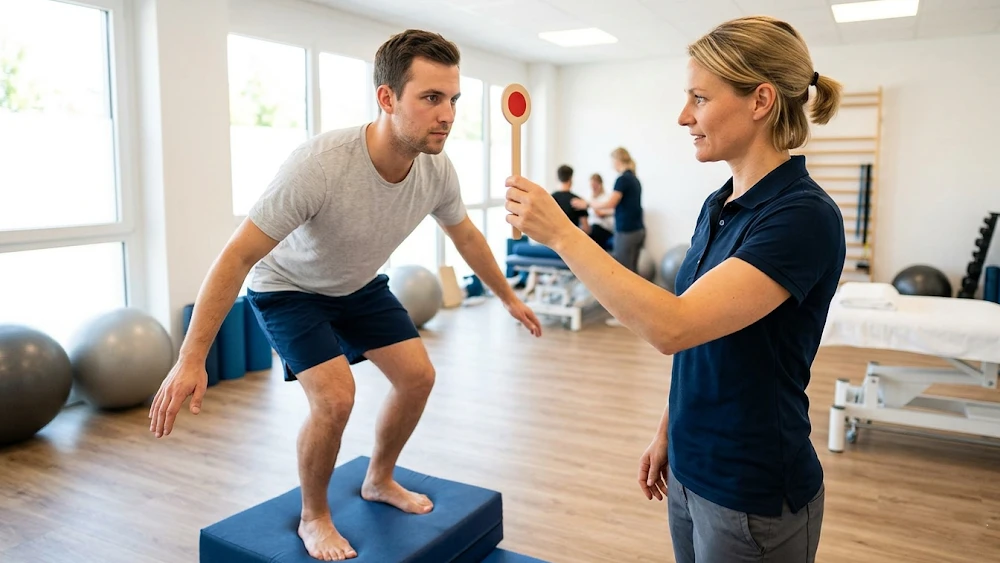
After a head injury, trouble with balance often shows up. Dizziness pops up too, sometimes along with feeling sick to the stomach. These signs point to how the inner ear system gets thrown off.
Some people do certain movements so their head and hearing parts learn to team up better. This training uses small challenges to improve balance over time. It often involves repeating motions until responses feel smoother.
When the head takes a hit, the neck often gets hurt too. Fixing issues in the neck often eases headaches along with dizziness. When the neck works better, these symptoms tend to fade. Treatment may include manual therapy, mobility exercises, postural correction, and strengthening exercises.
These days, staying inactive isn’t seen as the top choice for most people recovering from a concussion. Right now, research points toward stepping back into movement - only when led by someone trained. Getting going again seems safest with an expert watching each move. Starting slow, a physiotherapist guides your movement during exercises, keeping an eye on how you feel.

Most people think concussions happen often - yet they’re serious every single time. Following a blow to the head, when things like confusion, nausea, trouble focusing, forgetfulness, or shaky movements show up, getting checked by a specialist quickly becomes necessary.
Spotting issues early, followed by proper care, often changes how well you heal while lowering chances of lasting problems.
At Sterling Physiotherapy, care comes through proven methods for concussion checks and healing. When headaches linger or balance feels off after a bump, we are ready to help you recover safely.
The first signs of a concussion often include headache, dizziness, confusion, nausea, sensitivity to light or noise, and difficulty concentrating. Some symptoms appear immediately after a head injury, while others may develop hours later.
You may have a concussion if you've recently experienced a blow to the head or body and notice symptoms such as headaches, dizziness, brain fog, memory problems, balance issues, or unusual fatigue. A healthcare professional can provide an accurate assessment.
Yes. A concussion can occur even without a direct blow to the head. Sudden movements such as whiplash from a car accident or a hard fall can cause the brain to move rapidly inside the skull, resulting in a concussion.
Concussion symptoms may begin immediately after an injury or appear several hours or even days later. This delayed onset is common and can make concussions difficult to recognize initially.