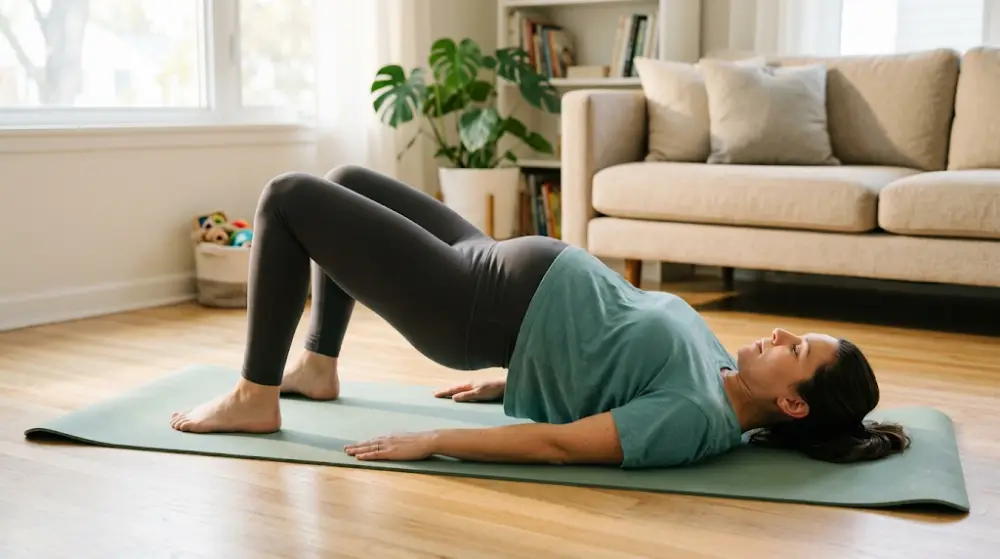
Pelvic Floor Conditions We Treat: Common Symptoms, Causes & How Pelvic Floor Physiotherapy in Hamilton Can Help
Pelvic floor health often remains a taboo topic until people start experiencing debilitating symptoms like bladder leakage, pelvic pain, difficult pregnancy or bowel dysfunction. It's easy to write these off as normal occurrences, but the reality is that they're not.
Sterling Physiotherapy in Hamilton specializes in pelvic physiotherapy for women and men, helping patients return to normal life free from pain and discomfort. Pelvic physiotherapy is an effective treatment for people experiencing debilitating pelvic floor dysfunction and can be a great option for those seeking professional medical help.
What is the Pelvic Floor?
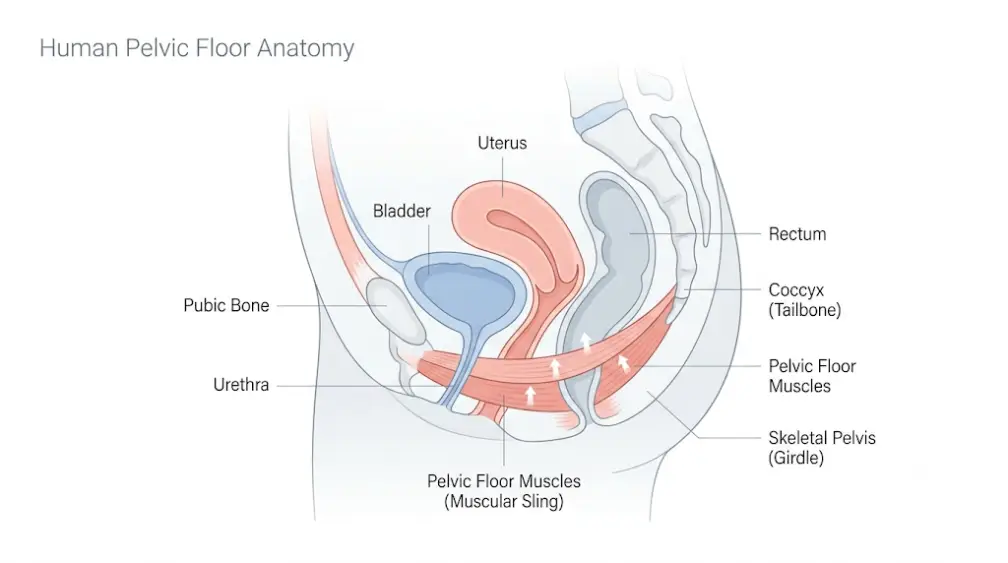
The pelvic floor refers to a group of muscles, connective tissues, and ligaments that form a muscular sling at the bottom of the pelvis. In women, the pelvic floor supports the bladder, bowel, and uterus. The pelvic floor supports pregnancy and childbirth, regulates bowel and bladder movements, plays a role in sexual function, and helps to stabilize the pelvis.
When the pelvic floor is weak or has restricted motion or tone, it can cause pelvic floor dysfunction, discomfort, and other debilitating symptoms.
Symptoms of Pelvic Floor Dysfunction in Women and Men:
Many are surprised to learn that their symptoms are related to the pelvic floor. You may be due for a pelvic assessment if you're experiencing:
Urine loss or leakage
A sudden urge to pee often or frequently
Inability to empty bowels
Incontinence or bowel dysfunction
Pelvic pressure or discomfort
Pelvic pain
Painful sex
Lower back or hip pain with no specific cause
Discomfort during pregnancy
Pain after pelvic surgery
Conditions Treated at Sterling Physiotherapy:
1. Urinary Incontinence Physiotherapy
Urinary incontinence encompasses a range of pelvic floor dysfunction conditions and disorders that cause involuntary loss of urine. The most prevalent causes of incontinence are weak pelvic floor muscles or malfunction. There are several forms of urinary incontinence, including:
Stress incontinence
Urge incontinence
Mixed incontinence
A pelvic floor physiotherapist can help you strengthen and retrain your pelvic floor muscles to gain greater control over your urine flow. To understand more about basic routines, read our guide on pelvic floor physiotherapy benefits and exercises.
2. Pelvic Organ Prolapse Physiotherapy
Pelvic organ prolapse occurs when one or more pelvic organs protrude from the vaginal canal. This happens when the pelvic organs are pushed downward by fluids from the womb or bladder. Symptoms encompass:
Feeling of pressure
A bulging or coming out sensation
Lower abdominal discomfort
Difficulty emptying the bladder
Physiotherapy can help you strengthen the pelvic floor and relieve pelvic discomfort caused by prolapsed organs.
3. Pelvic Pain Physiotherapy
Pelvic pain is a prevalent and often disabling condition that affects millions of people worldwide. People with chronic pelvic pain have painful sensations originating in their pelvic region, frequently due to the pelvic floor muscles being too tense. Physiotherapy can assist with myofascial release and stretching to help treat this discomfort.
4. Pregnancy-related Pelvic Pain Physiotherapy
Pregnancy can cause extreme discomfort throughout the pelvic floor. Many women experience pelvic girdle pain and pubic bone pain during pregnancy. Physiotherapy helps pregnant women manage the discomfort while encouraging them to maintain good posture and strengthen their core.
5. Postpartum Pelvic Floor Physiotherapy
During childbirth, women undergo tremendous strain on their bodies. Many women have loosened pelvic floor muscles and are unable to resume regular activities. Physiotherapy for postpartum pelvic floor rehabilitation can assist women in restoring their pelvic floor muscles to better functionality, treating issues like diastasis recti and bladder dysfunction.
6. Painful Sex Physiotherapy
Sexual pain or dyspareunia is commonly caused by poor pelvic floor muscle coordination (overly tightened or spasmed muscles). Treatments can comprise manual therapy, breathing techniques, muscle relaxation, and stretches to assist with dyspareunia.
7. Constipation Physiotherapy
Constipation can be uncomfortable and embarrassing. Pelvic physiotherapy can assist people with bowel disorders to achieve better coordination of the pelvic floor muscles, enabling easier bowel movements.
8. Male Pelvic Floor Physiotherapy
Physiotherapy isn't only for women; it's also highly beneficial for men. Physiotherapy can help men deal with the consequences of prostate surgery and offer solutions for persistent pelvic floor pain, urinary incontinence, and frequent urination.
How Does Pelvic Physiotherapy Help?
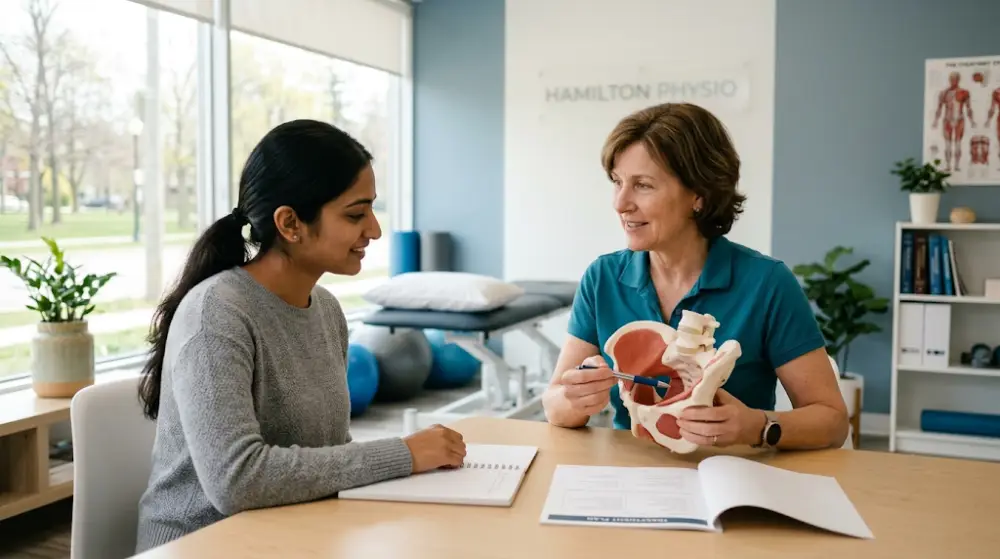
Every client has individual requirements, which is why a thorough pelvic physiotherapy assessment is required to devise a successful treatment strategy. Physiotherapy treatment generally consists of the following:
Pelvic floor muscle evaluation
Pelvic muscle strengthening
Core rehabilitation
Manual therapy & Biofeedback therapy
Breathing techniques & Bladder retraining
Posture correction
Lifestyle and home exercises
At Sterling Physiotherapy, we specialize in providing personalized, one-on-one therapy for long-term relief. You can explore all our physiotherapy services to see how we comprehensively approach recovery.
The Advantages of Early Physiotherapy Intervention
The quicker you can get pelvic physiotherapy, the sooner you can feel well again. Early intervention aids in:
Decreasing discomfort and preventing additional health problems
Enhancing bladder, bowel control and sexual function
Assisting women safely during pregnancy and after childbirth
Getting people confidently back to their regular activities
Why Choose Sterling Physiotherapy in Hamilton?
Deciding where to get pelvic floor therapy can be challenging due to the sensitive nature of the condition. You can rest assured that at Sterling Physiotherapy, your privacy and comfort come first. We offer personalized individual evaluations, one-on-one treatment sessions, and an extensive spectrum of postpartum rehabilitation packages.
The Final Message
Many different conditions can contribute to pelvic floor dysfunction across different age groups, from women and men to postpartum mothers and elderly persons. The good news is that many of these conditions can be successfully treated. If you're experiencing symptoms, you don't have to suffer in silence.
Pelvic floor physiotherapy can help treat urinary incontinence, pelvic pain, pelvic organ prolapse, postpartum recovery, pregnancy-related pelvic pain, constipation, painful intercourse, and certain male pelvic health conditions.
No. Both women and men can benefit from pelvic floor physiotherapy. Men often seek treatment for pelvic pain, urinary issues, or recovery after prostate surgery.
Yes. It can strengthen weakened muscles, reduce bladder leakage, improve core stability, and support recovery after vaginal or cesarean birth.
The number of sessions depends on your condition, symptoms, and treatment goals. Many patients notice improvement after several visits, while others may require longer-term rehabilitation.